


 How many people today grab a takeaway coffee cup from the local cafe to drink on the go? We don’t know, but the number must be enormous.. Most every one of the above have a plastic top that will last 100s of years. Some cafes still use plastic cups that last a similar time. Is 10 minutes of coffee worth 100s of years of trash?
These items can be seen littering our gutters and on our streets all over the place. If they were all cardboard, they would still be littered, but they would, at least, be gone in a short time.
They do not need to be made of plastic.
How many people today grab a takeaway coffee cup from the local cafe to drink on the go? We don’t know, but the number must be enormous.. Most every one of the above have a plastic top that will last 100s of years. Some cafes still use plastic cups that last a similar time. Is 10 minutes of coffee worth 100s of years of trash?
These items can be seen littering our gutters and on our streets all over the place. If they were all cardboard, they would still be littered, but they would, at least, be gone in a short time.
They do not need to be made of plastic.
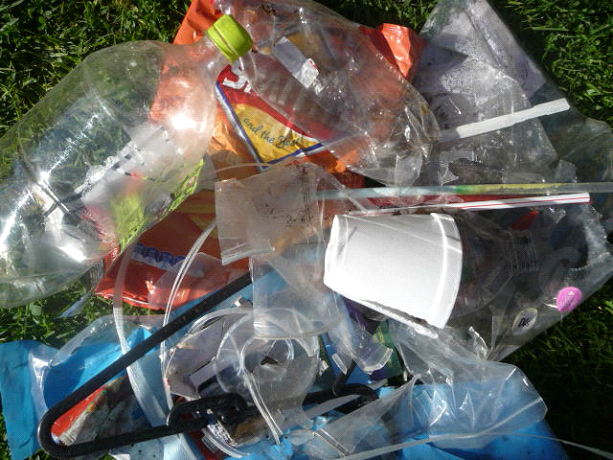 On the way home from the gym last week, a distance of about 1 km (1/2 mile), I counted the items of plastic litter on the curb as I walked. In that short distance I counted 63 pieces of plastic litter. Plastic drink bottles, bottle tops, candy wrappers, plastic film, polystyrene fragments etc. That seemed to be a lot to me. I guess it is a generational thing. Our parents would have been horrified to see that amount, whereas it seems to go unnoticed by our youth of today. In another 20 years how many pieces will there be on this stretch, -- 200? What will today’s youth think of that new amount then when they are older? Will their children be so readily accepting of a higher amount of litter?
 Environmentalists nab win on chemical recycling in federal budget – USA
Posted on January 8, 2023 by DrRossH in Plastic RecyclingSpecifically, the budget legislation formally urges the Environmental Protection Agency to keep regulating pyrolysis and gasification technologies as municipal waste combustion operations, rather than as manufacturing facilities, as plastics industry groups want.
The EPA opened a formal rulemaking on that question in 2021, saying it was getting more questions about how the technologies were being used for plastics recycling and finding “considerable confusion” in the market.
Now, the new budget has Congress making a “request” to EPA to maintain the regulatory status quo, according to a statement from the environmental group Ocean Conservancy.
“This boils down to Congress formally recognizing that harmful chemical recycling technologies are not true recycling and do not move us closer to a circular plastics economy,” said Anja Brandon, the group’s associate director of U.S. plastics policy. “These technologies emit dangerous greenhouse gasses and toxic chemicals while enabling industry to continue unfettered plastics production.”
“To keep plastics out of our ocean, we need to make less plastic, and better recycle what we already have,” she said. “Expanding chemical recycling will kill any chance we have of accomplishing either.”
There is a bit of nieviety going on in this discussions. To get a circular economy, the plastic waste needs to be recovered, reprocessed and reused to make more plastic items. This displaces the use of virgin plastic to make those items. Mechanical recycling is only good for 2-3 times and each time the products are down cycled, so it is not displacing the need for more virgin plastic. Plus only a small fraction of plastic can be mechanically reground for another use. This then leaves ‘advanced recycling’ in one of its various forms to recover the plastic material. If that is not done then displacing virgin plastic material will never happen. THis is what the plastics industry want. Therefore rather than bicker about emissions from advanced recycling, look at the bigger end game first. Do we want to recycled plastic or not. If we as a society do then get on with it and minmise the impacts of the process. We have to stop using a lot of virgin plastic material. Reduce is by far the best, but if for what ever reason that is not happening, then recycling has to be next.


Discussion · No Comments
There are no responses to "Environmentalists nab win on chemical recycling in federal budget – USA". Comments are closed for this post.Oops! Sorry, comments are closed at this time. Please try again later.