


 How many people today grab a takeaway coffee cup from the local cafe to drink on the go? We don’t know, but the number must be enormous.. Most every one of the above have a plastic top that will last 100s of years. Some cafes still use plastic cups that last a similar time. Is 10 minutes of coffee worth 100s of years of trash?
These items can be seen littering our gutters and on our streets all over the place. If they were all cardboard, they would still be littered, but they would, at least, be gone in a short time.
They do not need to be made of plastic.
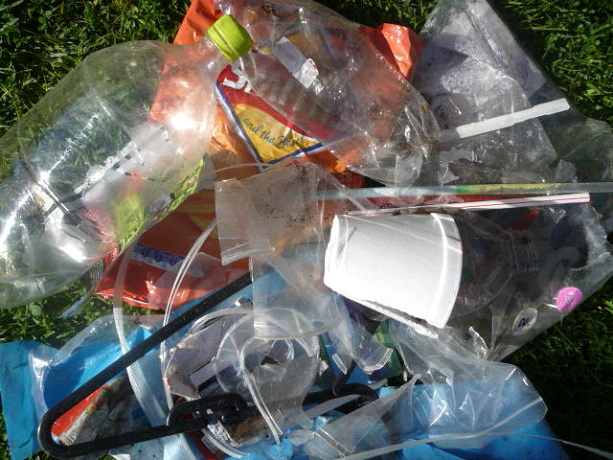 On the way home from the gym last week, a distance of about 1 km (1/2 mile), I counted the items of plastic litter on the curb as I walked. In that short distance I counted 63 pieces of plastic litter. Plastic drink bottles, bottle tops, candy wrappers, plastic film, polystyrene fragments etc. That seemed to be a lot to me. I guess it is a generational thing. Our parents would have been horrified to see that amount, whereas it seems to go unnoticed by our youth of today. In another 20 years how many pieces will there be on this stretch, -- 200? What will today’s youth think of that new amount then when they are older? Will their children be so readily accepting of a higher amount of litter?
Recyclers switch course, affirm support for recycling codes
Posted on August 11, 2012 by DrRossH in Plastic Waste NewsPlastics News – Recyclers switch course, affirm support for recycling codes.
Recycling starts with the consumer and that is where the symbol designs have to start. We have to have symbols on plastic items to tell consumers how to dispose of it. These symbols have quickly and simply tell the consumer where and how to recycle that plastic item. The RIC number can be inside the consumer symbol. Once the consumer has it entered into the recycling stream then it will get to a recycler who needs to make a decision on how to treat that plastic item. The RIC numbers are good for that. With a lot more plastic types out there now, we need more defining numbers. Compostable plastic due to its special disposal requirements needs its own number as now all this bioplastic is going to trash and not biodegrading away as it was marketed as.
The #7 is just a message to the recycler to send the item to the trash. How is that helping recycling? We need a hard look at why people are using plastics that currently require the #7 on them. Why can’t manufacturers use one of the other numbers to make their product out of and then it at least it has a chance of being recycled.
Plus every item of plastic made should be mandated to have a RIC number on it. There are a vast number of consumer disposable plastic items being used that have no number on them, which means all those items go to trash any chance of resource recovery is lost. Every plastic item has to have a RIC number on it.
Complicating the picture more is the situation of a fully recyclable item like a HDPE container but in its manufacture it has had a degradable additive added to the mix to make the plastic fragment into little bits after few years. While the HDPE is recyclable, the container is not as it could contaminate the feedstock for the next container causing it to break down while in use. This HDPE container has to go to trash so its resources are lost too. That is not where we want to be heading.


Discussion · No Comments
There are no responses to "Recyclers switch course, affirm support for recycling codes". Comments are closed for this post.Oops! Sorry, comments are closed at this time. Please try again later.