


 How many people today grab a takeaway coffee cup from the local cafe to drink on the go? We don’t know, but the number must be enormous.. Most every one of the above have a plastic top that will last 100s of years. Some cafes still use plastic cups that last a similar time. Is 10 minutes of coffee worth 100s of years of trash?
These items can be seen littering our gutters and on our streets all over the place. If they were all cardboard, they would still be littered, but they would, at least, be gone in a short time.
They do not need to be made of plastic.
How many people today grab a takeaway coffee cup from the local cafe to drink on the go? We don’t know, but the number must be enormous.. Most every one of the above have a plastic top that will last 100s of years. Some cafes still use plastic cups that last a similar time. Is 10 minutes of coffee worth 100s of years of trash?
These items can be seen littering our gutters and on our streets all over the place. If they were all cardboard, they would still be littered, but they would, at least, be gone in a short time.
They do not need to be made of plastic.
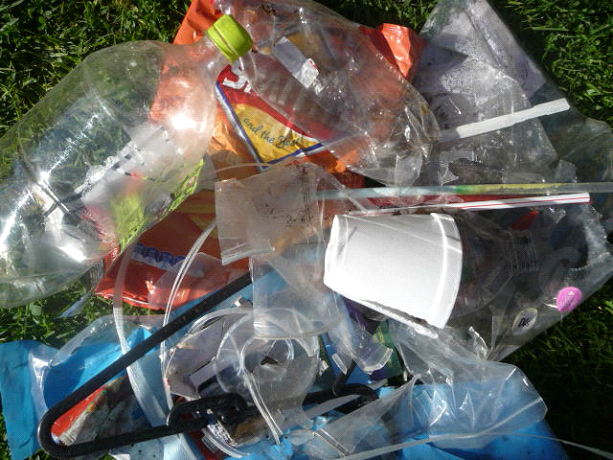 On the way home from the gym last week, a distance of about 1 km (1/2 mile), I counted the items of plastic litter on the curb as I walked. In that short distance I counted 63 pieces of plastic litter. Plastic drink bottles, bottle tops, candy wrappers, plastic film, polystyrene fragments etc. That seemed to be a lot to me. I guess it is a generational thing. Our parents would have been horrified to see that amount, whereas it seems to go unnoticed by our youth of today. In another 20 years how many pieces will there be on this stretch, -- 200? What will today’s youth think of that new amount then when they are older? Will their children be so readily accepting of a higher amount of litter?
 Waste-to-energy delays progress, eco-group says
Posted on May 15, 2013 by DrRossH in Landfills and DisposalWaste-to-energy delays progress, eco-group says.
Upwards of 600,000 cars and 500,000 households could be powered by energy from landfilled plastic, says the December 2012 study by the School of Planning at the University of Waterloo, conducted on behalf of the Canadian Plastics Industry Association (CPIA).
When Candice Anderson, Zero Waste Canada’s Ontario director, heard these figures, she told EcoLog News that it’s simply not worth it to recover energy from discarded plastics made from petroleum or natural gas in a chemical process. Waste-to-energy conversion is costly, she says, and it damages the environment while needing to send back more than 30 per cent of the processed waste back to the landfill anyway.
In her eyes, waste-to-energy is seen as a “slippery slope” that provides a crutch for unsustainable industry and postpones the reality of the waste problem, which is not what do to with the waste, but to identify the source of the waste. When tech companies keep racing to innovate new ways to treat waste, society gets farther away from the thinking that product design and actual waste generation are the culprits.


Discussion · No Comments
There are no responses to "Waste-to-energy delays progress, eco-group says". Comments are closed for this post.Oops! Sorry, comments are closed at this time. Please try again later.