

 How many people today grab a takeaway coffee cup from the local cafe to drink on the go? We don’t know, but the number must be enormous.. Most every one of the above have a plastic top that will last 100s of years. Some cafes still use plastic cups that last a similar time. Is 10 minutes of coffee worth 100s of years of trash?
These items can be seen littering our gutters and on our streets all over the place. If they were all cardboard, they would still be littered, but they would, at least, be gone in a short time.
They do not need to be made of plastic.
How many people today grab a takeaway coffee cup from the local cafe to drink on the go? We don’t know, but the number must be enormous.. Most every one of the above have a plastic top that will last 100s of years. Some cafes still use plastic cups that last a similar time. Is 10 minutes of coffee worth 100s of years of trash?
These items can be seen littering our gutters and on our streets all over the place. If they were all cardboard, they would still be littered, but they would, at least, be gone in a short time.
They do not need to be made of plastic.
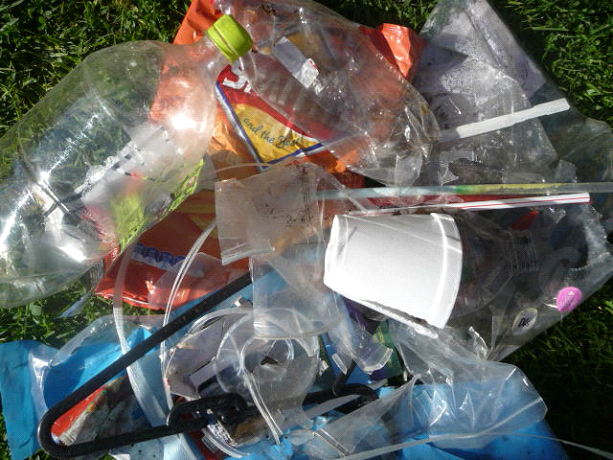 On the way home from the gym last week, a distance of about 1 km (1/2 mile), I counted the items of plastic litter on the curb as I walked. In that short distance I counted 63 pieces of plastic litter. Plastic drink bottles, bottle tops, candy wrappers, plastic film, polystyrene fragments etc. That seemed to be a lot to me. I guess it is a generational thing. Our parents would have been horrified to see that amount, whereas it seems to go unnoticed by our youth of today. In another 20 years how many pieces will there be on this stretch, -- 200? What will today’s youth think of that new amount then when they are older? Will their children be so readily accepting of a higher amount of litter?
 September 2014 - Page 2 of 2 - Plastic Waste Solutions
-
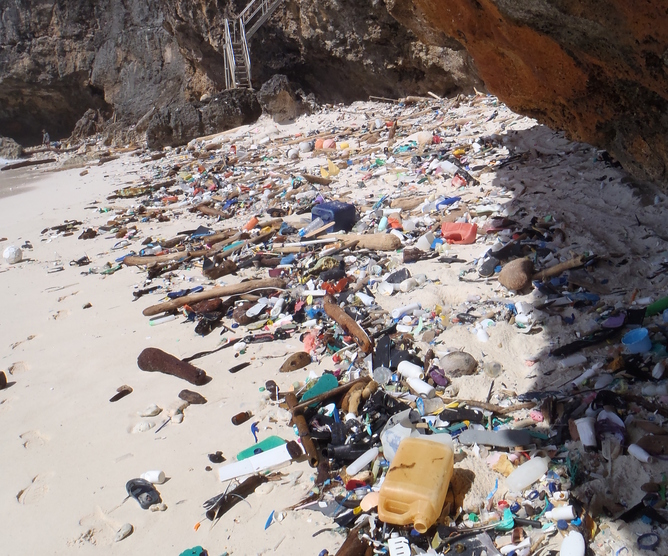
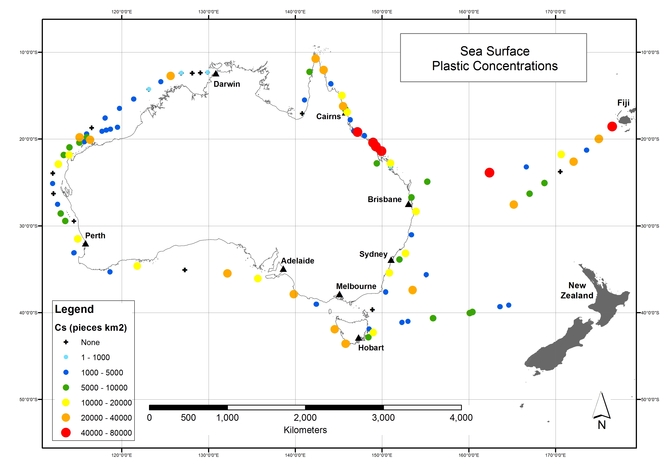
The oceans are full of plastic – here’s what we can do about it – Australia
Posted on September 18, 2014 by DrRossH in Plastic & Wildlife, Plastic Waste NewsThe oceans are full of our plastic – here's what we can do about it. The more this huge problem gets publicity and the sooner it gets enough exposure to through to the public the better chance we'll...
Continue reading this entry → -
Misleading green claims on plastic bags cop fines – New Zealand
Posted on September 14, 2014 by DrRossH in Plastic Waste NewsMisleading green claims on plastic bags cop fines | Scoop News. A manufacturer of plastic rubbish bags has been fined $30,000 in the Auckland District Court for breaches of the Fair Trading Act in relation to environmental claims that were...
Continue reading this entry → -
Ethical bottled water companies find it hard to compete with Nestlé and Coke
Posted on September 5, 2014 by DrRossH in Plastic Waste NewsEthical bottled water companies find it hard to compete with Nestlé and Coke | Guardian Sustainable Business | Guardian Professional. It is not mentioned once in this article about the impact of where all those plastic bottles go is a...
Continue reading this entry → -
Oxo-biodegradable plastic offering an eco-friendly alternative
Posted on September 4, 2014 by DrRossH in Plastic Waste NewsOxo-biodegradable plastic offering an eco-friendly alternative | Business Standard News. This is a article written by a sales person trying to sell their product. They should be ashamed with so many misleading claims in it. Oxodegradable will only cause plastics to...
Continue reading this entry →