


 How many people today grab a takeaway coffee cup from the local cafe to drink on the go? We don’t know, but the number must be enormous.. Most every one of the above have a plastic top that will last 100s of years. Some cafes still use plastic cups that last a similar time. Is 10 minutes of coffee worth 100s of years of trash?
These items can be seen littering our gutters and on our streets all over the place. If they were all cardboard, they would still be littered, but they would, at least, be gone in a short time.
They do not need to be made of plastic.
How many people today grab a takeaway coffee cup from the local cafe to drink on the go? We don’t know, but the number must be enormous.. Most every one of the above have a plastic top that will last 100s of years. Some cafes still use plastic cups that last a similar time. Is 10 minutes of coffee worth 100s of years of trash?
These items can be seen littering our gutters and on our streets all over the place. If they were all cardboard, they would still be littered, but they would, at least, be gone in a short time.
They do not need to be made of plastic.
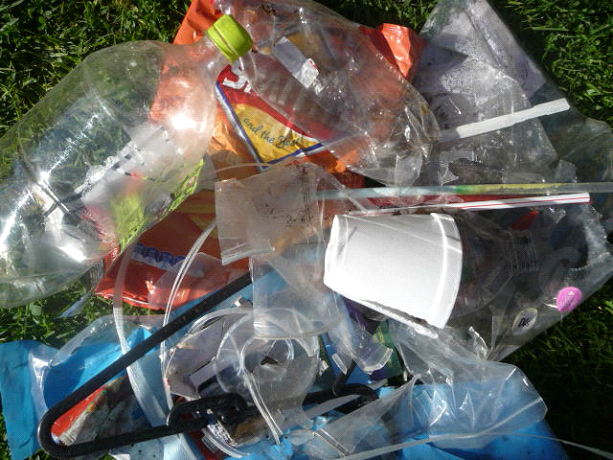 On the way home from the gym last week, a distance of about 1 km (1/2 mile), I counted the items of plastic litter on the curb as I walked. In that short distance I counted 63 pieces of plastic litter. Plastic drink bottles, bottle tops, candy wrappers, plastic film, polystyrene fragments etc. That seemed to be a lot to me. I guess it is a generational thing. Our parents would have been horrified to see that amount, whereas it seems to go unnoticed by our youth of today. In another 20 years how many pieces will there be on this stretch, -- 200? What will today’s youth think of that new amount then when they are older? Will their children be so readily accepting of a higher amount of litter?
 Bugs across globe are evolving to eat plastic, study finds
Posted on December 17, 2021 by DrRossH in Plastic Waste NewsSource: Bugs across globe are evolving to eat plastic, study finds | Plastics | The Guardian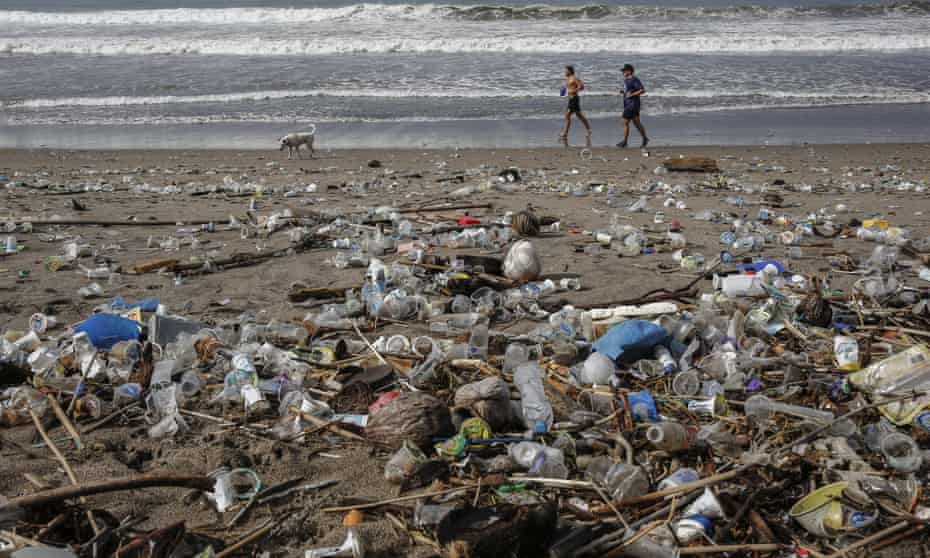
Microbes in oceans and soils across the globe are evolving to eat plastic, according to a study.
The research scanned more than 200m genes found in DNA samples taken from the environment and found 30,000 different enzymes that could degrade 10 different types of plastic.
The study is the first large-scale global assessment of the plastic-degrading potential of bacteria and found that one in four of the organisms analysed carried a suitable enzyme. The researchers found that the number and type of enzymes they discovered matched the amount and type of plastic pollution in different locations.
The results “provide evidence of a measurable effect of plastic pollution on the global microbial ecology”, the scientists said.
Millions of tonnes of plastic are dumped in the environment every year, and the pollution now pervades the planet, from the summit of Mount Everest to the deepest oceans. Reducing the amount of plastic used is vital, as is the proper collection and treatment of waste.


Discussion · No Comments
There are no responses to "Bugs across globe are evolving to eat plastic, study finds ". Comments are closed for this post.Oops! Sorry, comments are closed at this time. Please try again later.