


 How many people today grab a takeaway coffee cup from the local cafe to drink on the go? We don’t know, but the number must be enormous.. Most every one of the above have a plastic top that will last 100s of years. Some cafes still use plastic cups that last a similar time. Is 10 minutes of coffee worth 100s of years of trash?
These items can be seen littering our gutters and on our streets all over the place. If they were all cardboard, they would still be littered, but they would, at least, be gone in a short time.
They do not need to be made of plastic.
How many people today grab a takeaway coffee cup from the local cafe to drink on the go? We don’t know, but the number must be enormous.. Most every one of the above have a plastic top that will last 100s of years. Some cafes still use plastic cups that last a similar time. Is 10 minutes of coffee worth 100s of years of trash?
These items can be seen littering our gutters and on our streets all over the place. If they were all cardboard, they would still be littered, but they would, at least, be gone in a short time.
They do not need to be made of plastic.
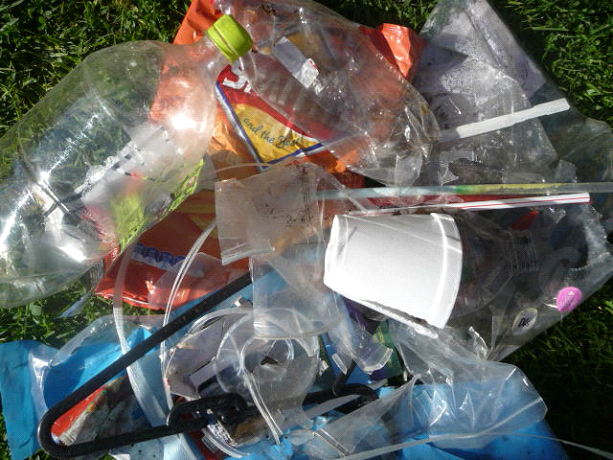 On the way home from the gym last week, a distance of about 1 km (1/2 mile), I counted the items of plastic litter on the curb as I walked. In that short distance I counted 63 pieces of plastic litter. Plastic drink bottles, bottle tops, candy wrappers, plastic film, polystyrene fragments etc. That seemed to be a lot to me. I guess it is a generational thing. Our parents would have been horrified to see that amount, whereas it seems to go unnoticed by our youth of today. In another 20 years how many pieces will there be on this stretch, -- 200? What will today’s youth think of that new amount then when they are older? Will their children be so readily accepting of a higher amount of litter?
 Next year crucial for resource recovery industry – Australia
Posted on December 21, 2022 by DrRossH in Plastic RecyclingIt’s been a hectic year in the waste and resource recovery space. With COVID-19 winding down in terms of affecting how business is conducted, and expos, events and seminars on the up, the latter part of 2022 has been good for reconnecting with peers, innovators and various government agencies. Sure, Zoom and Teams meetings have become the norm, but there has been nothing quite like catching up in person and getting a feel for where the industry is heading. And where is it heading? Depends on who you talk to. Some of the key topics have been harmonisation of landfill levies throughout the states, legislation (or lack thereof in some cases) around product stewardship, compulsory recycling content in council procurement programs, the lack of infrastructure, FOGO, governments at all levels not having knee-jerk reactions to all things waste and kowtowing to the lowest common denominator, as well as the narrative around the various targets when it comes to reducing waste, plastics and emissions.
We asked a cross section of people within the industry how they thought the industry had fared over the past 12 months, and what the next 12-18 months will hold as we move into what could be a recession accompanied by high interest rates. The latter, especially, could put the brakes on capital investment into much-needed infrastructure. We’ve gathered the thoughts of CEOs of some well-known collection and processing companies, as well as associations and consultants. Here’s how they see the current state of play in the waste/resource recovery industry.
The common theme out of these interviews reported in the original article is that we are not going to me the goal of 80% recycled by 2030, that lack of infrastructure, lack of demand for good made from recycled materials, the diconnect of products being imported, yet expecting their waste to be remade in Australia.


Discussion · No Comments
There are no responses to "Next year crucial for resource recovery industry – Australia". Comments are closed for this post.Oops! Sorry, comments are closed at this time. Please try again later.