


 How many people today grab a takeaway coffee cup from the local cafe to drink on the go? We don’t know, but the number must be enormous.. Most every one of the above have a plastic top that will last 100s of years. Some cafes still use plastic cups that last a similar time. Is 10 minutes of coffee worth 100s of years of trash?
These items can be seen littering our gutters and on our streets all over the place. If they were all cardboard, they would still be littered, but they would, at least, be gone in a short time.
They do not need to be made of plastic.
How many people today grab a takeaway coffee cup from the local cafe to drink on the go? We don’t know, but the number must be enormous.. Most every one of the above have a plastic top that will last 100s of years. Some cafes still use plastic cups that last a similar time. Is 10 minutes of coffee worth 100s of years of trash?
These items can be seen littering our gutters and on our streets all over the place. If they were all cardboard, they would still be littered, but they would, at least, be gone in a short time.
They do not need to be made of plastic.
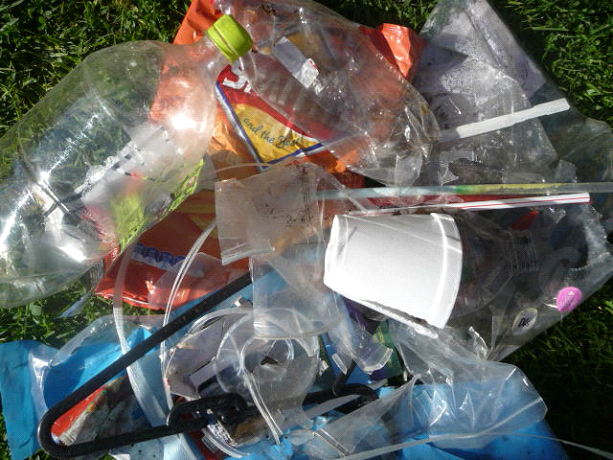 On the way home from the gym last week, a distance of about 1 km (1/2 mile), I counted the items of plastic litter on the curb as I walked. In that short distance I counted 63 pieces of plastic litter. Plastic drink bottles, bottle tops, candy wrappers, plastic film, polystyrene fragments etc. That seemed to be a lot to me. I guess it is a generational thing. Our parents would have been horrified to see that amount, whereas it seems to go unnoticed by our youth of today. In another 20 years how many pieces will there be on this stretch, -- 200? What will today’s youth think of that new amount then when they are older? Will their children be so readily accepting of a higher amount of litter?
Paper looks at risks of investing in plastics Australia
Posted on April 15, 2021 by DrRossH in Plastic Waste News, Switching Away from PlasticSource: Paper looks at risks of investing in plastics – Inside Waste
“In the face of crises like climate change and global plastic pollution, shareholders must scrutinise whether investments in the production of plastics and other petrochemicals will live up to inflated expectations,” said Lila Holzman, report coauthor and senior energy program manager at As You Sow. “Investors are likely to find that companies’ reliance on plastics to recoup lost demand for fossil-based energy is problematic.”
This report reveals how the proliferation of petrochemical infrastructure contributes to distinct risks that threaten shareholder value. The report examines the growing risks facing the energy sector’s bet on petrochemicals (especially plastics) — including stranded assets, climate change impacts, plastic pollution of land and oceans, greenwashing of “circular” solutions, community health impacts, and a loss of social license to operate, as well as the oversupply of plastic production capacity.
As we have been saying for years, the concept of a circular economy just can’t happen to any big degree on single use plastics. There is too much being made. We’ve tried recycling in earnest several times before in the last 40 years, and it never worked. We still only recycle 10-15%. Recycling is myth promulgated by the plastics industry to make people think it is ok to use more plastic as it is getting recycled. But it is not and the industry knows that. Serious action is need to reduce plastic use. Not waste more money of the recycling myth.


Discussion · No Comments
There are no responses to "Paper looks at risks of investing in plastics Australia". Comments are closed for this post.Oops! Sorry, comments are closed at this time. Please try again later.