


 How many people today grab a takeaway coffee cup from the local cafe to drink on the go? We don’t know, but the number must be enormous.. Most every one of the above have a plastic top that will last 100s of years. Some cafes still use plastic cups that last a similar time. Is 10 minutes of coffee worth 100s of years of trash?
These items can be seen littering our gutters and on our streets all over the place. If they were all cardboard, they would still be littered, but they would, at least, be gone in a short time.
They do not need to be made of plastic.
How many people today grab a takeaway coffee cup from the local cafe to drink on the go? We don’t know, but the number must be enormous.. Most every one of the above have a plastic top that will last 100s of years. Some cafes still use plastic cups that last a similar time. Is 10 minutes of coffee worth 100s of years of trash?
These items can be seen littering our gutters and on our streets all over the place. If they were all cardboard, they would still be littered, but they would, at least, be gone in a short time.
They do not need to be made of plastic.
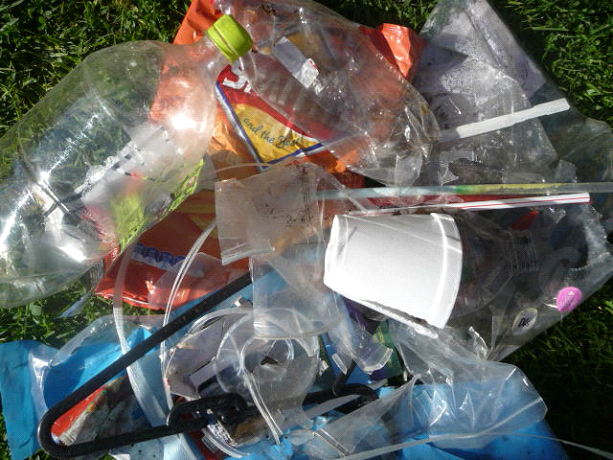 On the way home from the gym last week, a distance of about 1 km (1/2 mile), I counted the items of plastic litter on the curb as I walked. In that short distance I counted 63 pieces of plastic litter. Plastic drink bottles, bottle tops, candy wrappers, plastic film, polystyrene fragments etc. That seemed to be a lot to me. I guess it is a generational thing. Our parents would have been horrified to see that amount, whereas it seems to go unnoticed by our youth of today. In another 20 years how many pieces will there be on this stretch, -- 200? What will today’s youth think of that new amount then when they are older? Will their children be so readily accepting of a higher amount of litter?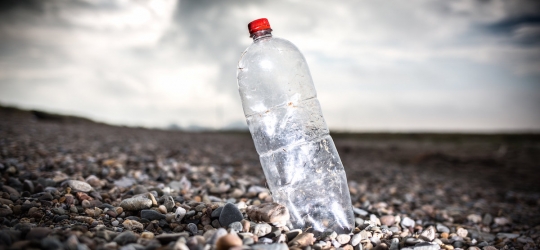
Rubbish on our beaches up 10 per cent to worst ever levels, prompting calls for a ‘litter tax’ – UK
Posted on December 4, 2017 by DrRossH in Plastic Limiting Regulations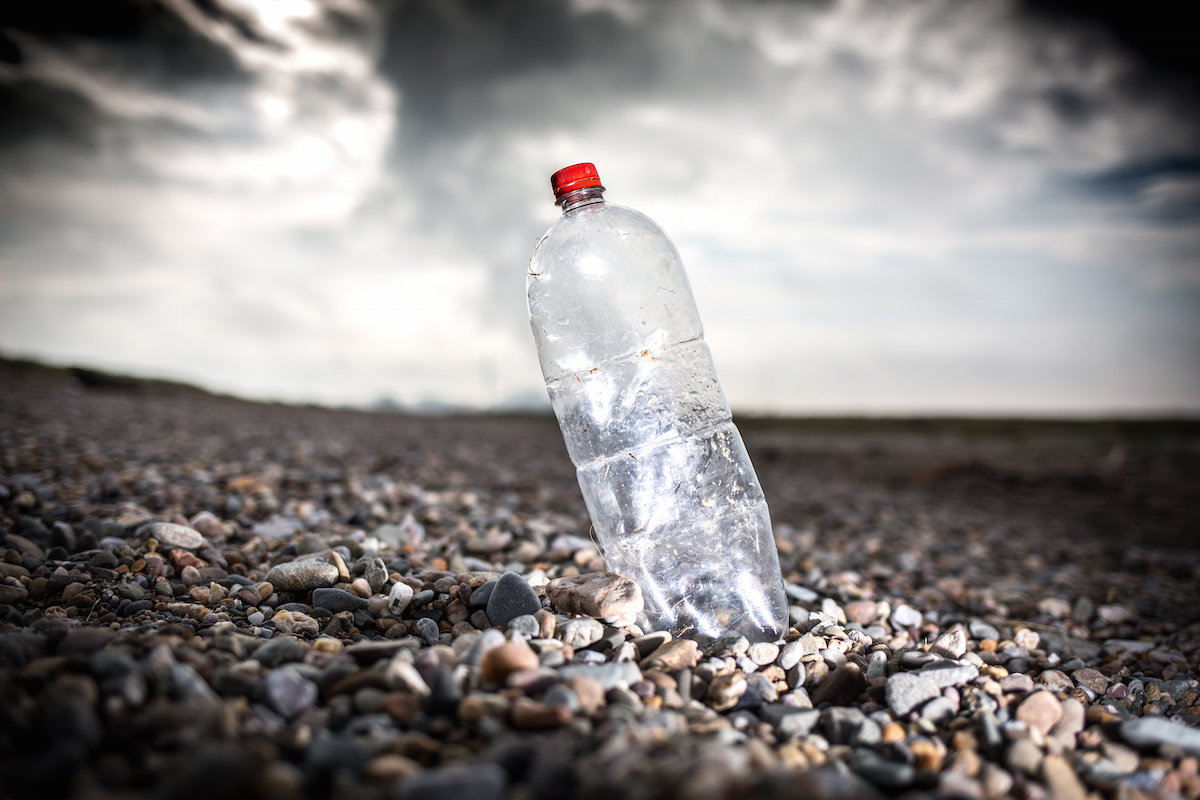
Litter on Britain’s beaches is up 10 per cent in just one year to its worst ever levels, prompting calls for a tax on waste. More than 700 bits or rubbish were found, on average, on
Source: Rubbish on our beaches up 10 per cent to worst ever levels, prompting calls for a ‘litter tax’
Litter on Britain’s beaches is up 10 per cent in just one year to its worst ever levels, prompting calls for a tax on waste.
More than 700 bits or rubbish were found, on average, on every 100 metres cleaned as conservationists accused many people of treating our shores as a “big dustbin.”
A shock report shows that litter levels recorded in an annual survey were at record levels, with food and drink waste accounting for one in five pieces of litter (20 per cent) found on our beaches.
Now a levy on disposables is needed to stop the dumping, according to Britain’s leading marine charity.
There is a rapid move of cafes and other take away food outlets moving to get rid of all their equipment associated with washing of dishes and just handing out disposable plasticware as a replacement to save them money. However all they are doing is externalising or making others pay for the cost of the all the extra litter this is creating. They are not paying for it yet are responsible for it. So having them contribute money to keep it all clean makes the most sense. A levy on disposables is the right way to go on this. It might just push them back to washing and using reusable plates and cutlery. Imagine that!


Discussion · No Comments
There are no responses to "Rubbish on our beaches up 10 per cent to worst ever levels, prompting calls for a ‘litter tax’ – UK". Comments are closed for this post.Oops! Sorry, comments are closed at this time. Please try again later.