


 How many people today grab a takeaway coffee cup from the local cafe to drink on the go? We don’t know, but the number must be enormous.. Most every one of the above have a plastic top that will last 100s of years. Some cafes still use plastic cups that last a similar time. Is 10 minutes of coffee worth 100s of years of trash?
These items can be seen littering our gutters and on our streets all over the place. If they were all cardboard, they would still be littered, but they would, at least, be gone in a short time.
They do not need to be made of plastic.
How many people today grab a takeaway coffee cup from the local cafe to drink on the go? We don’t know, but the number must be enormous.. Most every one of the above have a plastic top that will last 100s of years. Some cafes still use plastic cups that last a similar time. Is 10 minutes of coffee worth 100s of years of trash?
These items can be seen littering our gutters and on our streets all over the place. If they were all cardboard, they would still be littered, but they would, at least, be gone in a short time.
They do not need to be made of plastic.
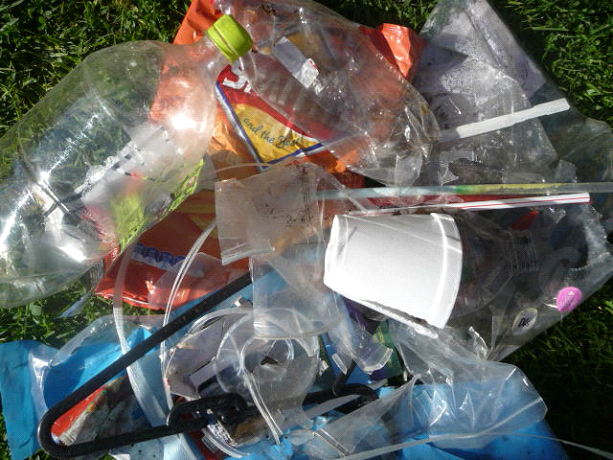 On the way home from the gym last week, a distance of about 1 km (1/2 mile), I counted the items of plastic litter on the curb as I walked. In that short distance I counted 63 pieces of plastic litter. Plastic drink bottles, bottle tops, candy wrappers, plastic film, polystyrene fragments etc. That seemed to be a lot to me. I guess it is a generational thing. Our parents would have been horrified to see that amount, whereas it seems to go unnoticed by our youth of today. In another 20 years how many pieces will there be on this stretch, -- 200? What will today’s youth think of that new amount then when they are older? Will their children be so readily accepting of a higher amount of litter?
 What Are the Most Polluted Rivers in the World?
Posted on December 12, 2021 by DrRossH in Plastic Waste NewsWhile the word “river” might conjure up images of gushing white foam spilling over rocks or recall sounds of a babbling brook, the truth is that in today’s modern world, clean rivers are few and far between. The ballooning population of planet Earth, coupled with our apparent incapability of treating and disposing of waste appropriately, has led to mass pollution of rivers, streams and other waterways.
But while flooded lakes and reservoirs pose a certain set of challenges in the clean-up operation, rivers that are home to endemic contamination are an altogether thornier issue. Here are five of the most polluted waterways found in the world, along with a brief explanation of the primary causes of their poor water quality.
-
Ganges River
The Ganges is famed for being the holiest river in India, with many people believing that bathing in it can cleanse them of their sins. Unfortunately, doing so might just result in them picking up an infection, since it’s one of the most polluted rivers on the planet. Raw sewage is the biggest contributor to its poor quality, but the Ganges also has a terrible problem with plastic pollution, industrial waste and discarded materials used during religious rituals, among other things.
-
Yellow River
The largest river in China, the Yellow River has become a victim of the country’s economic success. As China continues to develop industrially, a significant amount of waste is deposited into rivers like this one, with the coal mining sector believed to be the biggest culprit. Due to its contaminated state, it’s thought that around 30% of fish have succumbed to death, while the water from the river is not even deemed safe enough to use for irrigation or agricultural purposes. Nonetheless, it still serves as a drinking water source for many.
-
Yangtze River
Also found in China, the Yangtze River too suffers from industrial activity – but it manifests this impact in a slightly different way. With excessive amounts of nitrogen being deposited into the river, the nutritional imbalance has caused a process known as eutrophication, which creates an abundance of blue-green algae atop the river’s surface. This vegetation not only consumes more than its fair share of carbon dioxide, but also blocks out sunlight and inhibits the growth of other aquatic life.
-
Buriganga River
Located in Bangladesh, the Buriganga River is inundated with untreated waste from the tanneries which line its banks. These establishments dump unused animal skins and hides – as well as carcasses – into the river, polluting its water. Other sources of pollution include human waste and plastic pollution which is not recycled at all. Given that an estimated 80% of the sewage entering the river is untreated, it has turned black and killed off all aquatic lifeforms.
-
Mississippi River
As one of the most developed economies in the world, it’s dismaying to see that the USA is home to one of the world’s most polluted rivers. The Mississippi is one of the longest rivers found anywhere, but it has fallen prey to poor waste disposal methods, industrial effluent, oil spillages and agricultural run-off. High levels of arsenic, benzene and mercury are found in the river, giving it an unpleasant brown colour and making it toxic to many organisms.


Discussion · No Comments
There are no responses to "What Are the Most Polluted Rivers in the World?". Comments are closed for this post.Oops! Sorry, comments are closed at this time. Please try again later.