


 How many people today grab a takeaway coffee cup from the local cafe to drink on the go? We don’t know, but the number must be enormous.. Most every one of the above have a plastic top that will last 100s of years. Some cafes still use plastic cups that last a similar time. Is 10 minutes of coffee worth 100s of years of trash?
These items can be seen littering our gutters and on our streets all over the place. If they were all cardboard, they would still be littered, but they would, at least, be gone in a short time.
They do not need to be made of plastic.
How many people today grab a takeaway coffee cup from the local cafe to drink on the go? We don’t know, but the number must be enormous.. Most every one of the above have a plastic top that will last 100s of years. Some cafes still use plastic cups that last a similar time. Is 10 minutes of coffee worth 100s of years of trash?
These items can be seen littering our gutters and on our streets all over the place. If they were all cardboard, they would still be littered, but they would, at least, be gone in a short time.
They do not need to be made of plastic.
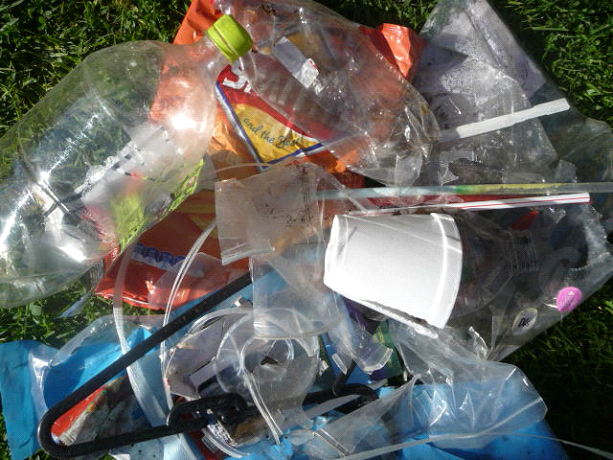 On the way home from the gym last week, a distance of about 1 km (1/2 mile), I counted the items of plastic litter on the curb as I walked. In that short distance I counted 63 pieces of plastic litter. Plastic drink bottles, bottle tops, candy wrappers, plastic film, polystyrene fragments etc. That seemed to be a lot to me. I guess it is a generational thing. Our parents would have been horrified to see that amount, whereas it seems to go unnoticed by our youth of today. In another 20 years how many pieces will there be on this stretch, -- 200? What will today’s youth think of that new amount then when they are older? Will their children be so readily accepting of a higher amount of litter?
 UK ad watchdog to crack down on ‘biodegradable’ and ‘recyclable’ claims
Posted on December 7, 2023 by DrRossH in BioPlastics, General, Plastic Waste NewsConsumers were angry and dismayed when they found out the truth about these terms, says an ASA study
Source: UK ad watchdog to crack down on ‘biodegradable’ and ‘recyclable’ claims | Advertising | The Guardian
British consumers believe they are making green choices while disposing of waste when they are often not, according to a new report. The study, from the Advertising Standards Authority (ASA), based on extensive interviews with consumers, found widespread misunderstandings around common terms such as “biodegradable”, “compostable” and “recyclable”, leaving participants angry when they discovered what they meant.
According to the ASA, households in the UK take pride in recycling and food-waste management, and hope to play their part in preventing the destruction of nature by putting rubbish into correct bins or buying products with green packaging.
However, some participants in the new research believed the labelling meant that packaging would disappear entirely or decompose. Some of those surveyed were surprised to learn that “biodegradable” packaging has an unlimited timeframe to break down and could produce toxins.
Many “compostable” products need to be taken to a specialist waste centre and would not break down in a household compost bin, although many of those surveyed believed the products could be composted at home.
It is what the lable is NOT telling you that is more important than what they put on it. Biodegradable claim yes , it will only biodegrade under a certain set of conditions which the public do not have access to.


Discussion · No Comments
There are no responses to "UK ad watchdog to crack down on ‘biodegradable’ and ‘recyclable’ claims ". Comments are closed for this post.Oops! Sorry, comments are closed at this time. Please try again later.