


 How many people today grab a takeaway coffee cup from the local cafe to drink on the go? We don’t know, but the number must be enormous.. Most every one of the above have a plastic top that will last 100s of years. Some cafes still use plastic cups that last a similar time. Is 10 minutes of coffee worth 100s of years of trash?
These items can be seen littering our gutters and on our streets all over the place. If they were all cardboard, they would still be littered, but they would, at least, be gone in a short time.
They do not need to be made of plastic.
How many people today grab a takeaway coffee cup from the local cafe to drink on the go? We don’t know, but the number must be enormous.. Most every one of the above have a plastic top that will last 100s of years. Some cafes still use plastic cups that last a similar time. Is 10 minutes of coffee worth 100s of years of trash?
These items can be seen littering our gutters and on our streets all over the place. If they were all cardboard, they would still be littered, but they would, at least, be gone in a short time.
They do not need to be made of plastic.
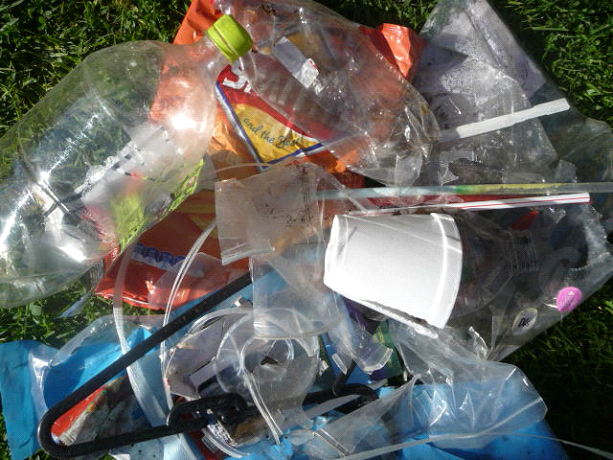 On the way home from the gym last week, a distance of about 1 km (1/2 mile), I counted the items of plastic litter on the curb as I walked. In that short distance I counted 63 pieces of plastic litter. Plastic drink bottles, bottle tops, candy wrappers, plastic film, polystyrene fragments etc. That seemed to be a lot to me. I guess it is a generational thing. Our parents would have been horrified to see that amount, whereas it seems to go unnoticed by our youth of today. In another 20 years how many pieces will there be on this stretch, -- 200? What will today’s youth think of that new amount then when they are older? Will their children be so readily accepting of a higher amount of litter?
 November 2018 - Plastic Waste Solutions
-
‘Impending plasticide’: Emergency tax tipped as waste crisis deepens- Australia
Posted on November 21, 2018 by DrRossH in Plastic Limiting RegulationsAustralia’s waste crisis is tipped to deepen, with global wealth manager Credit Suisse predicting the federal government will intervene within two years. Source: ‘Impending plasticide’: Emergency tax tipped as waste crisis deepens A tax of the use of virgin plastic is...
Continue reading this entry → -
UK JUDGE FINDS THE CASE FOR OXO-BIODEGRADABLE PLASTIC PROVEN
Posted on November 8, 2018 by DrRossH in Plastic Waste NewsUK JUDGE FINDS THE CASE FOR OXO-BIODEGRADABLE PLASTIC PROVEN Symphony Environmental Technologies PLC has today (5th November 2018) warmly welcomed a report by the distinguished lawyer and former deputy Judge of the High Court in England, Peter Susman QC, …...
Continue reading this entry → -
EU backs ban on plastic straws, balloon sticks
Posted on November 5, 2018 by DrRossH in Plastic StrawsBRUSSELS: EU countries on Wednesday backed the outlawing of certain single-use plastics, bringing the bloc a step closer to an outright ban on the products which account for huge quantities of waste in the world's oceans. Source: EU backs ban...
Continue reading this entry →