


 How many people today grab a takeaway coffee cup from the local cafe to drink on the go? We don’t know, but the number must be enormous.. Most every one of the above have a plastic top that will last 100s of years. Some cafes still use plastic cups that last a similar time. Is 10 minutes of coffee worth 100s of years of trash?
These items can be seen littering our gutters and on our streets all over the place. If they were all cardboard, they would still be littered, but they would, at least, be gone in a short time.
They do not need to be made of plastic.
How many people today grab a takeaway coffee cup from the local cafe to drink on the go? We don’t know, but the number must be enormous.. Most every one of the above have a plastic top that will last 100s of years. Some cafes still use plastic cups that last a similar time. Is 10 minutes of coffee worth 100s of years of trash?
These items can be seen littering our gutters and on our streets all over the place. If they were all cardboard, they would still be littered, but they would, at least, be gone in a short time.
They do not need to be made of plastic.
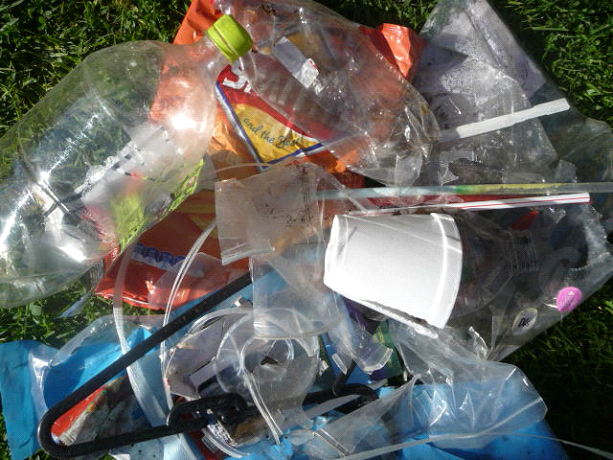 On the way home from the gym last week, a distance of about 1 km (1/2 mile), I counted the items of plastic litter on the curb as I walked. In that short distance I counted 63 pieces of plastic litter. Plastic drink bottles, bottle tops, candy wrappers, plastic film, polystyrene fragments etc. That seemed to be a lot to me. I guess it is a generational thing. Our parents would have been horrified to see that amount, whereas it seems to go unnoticed by our youth of today. In another 20 years how many pieces will there be on this stretch, -- 200? What will today’s youth think of that new amount then when they are older? Will their children be so readily accepting of a higher amount of litter?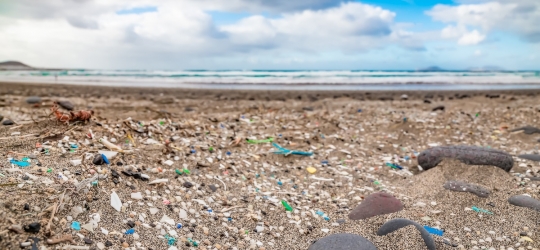
Fighting microplastics one beach at a time with Deakin – Australia
Posted on August 17, 2023 by DrRossH in Plastic Waste NewsA team of Deakin University materials scientists are spearheading research to promote behavioural changes to combat the microplastics problem.
Source: Fighting microplastics one beach at a time with Deakin – Inside Water

Invisible plastics giant problem
Sutti is keen to use her work to draw attention to how microplastics are all around us.
“Microplastics are human-made plastic objects ranging in size from 5 mm to 1 micron. They are pervasive in the environment and have been reported as being present in the air, water, soil, and even plants and animals,” Sutti said.
“Microplastics include plastic and rubber fragments, plastic beads or other small pieces used in cosmetics or manufacturing of plastic objects. It also includes textile fibres and even fragments of the coatings that you may find on textiles.”
“Microplastics are often invisible. It’s my job to make them visible to as many people as possible and take action to address this significant problem,” Sutti said.


Discussion · No Comments
There are no responses to "Fighting microplastics one beach at a time with Deakin – Australia". Comments are closed for this post.Oops! Sorry, comments are closed at this time. Please try again later.