


 How many people today grab a takeaway coffee cup from the local cafe to drink on the go? We don’t know, but the number must be enormous.. Most every one of the above have a plastic top that will last 100s of years. Some cafes still use plastic cups that last a similar time. Is 10 minutes of coffee worth 100s of years of trash?
These items can be seen littering our gutters and on our streets all over the place. If they were all cardboard, they would still be littered, but they would, at least, be gone in a short time.
They do not need to be made of plastic.
How many people today grab a takeaway coffee cup from the local cafe to drink on the go? We don’t know, but the number must be enormous.. Most every one of the above have a plastic top that will last 100s of years. Some cafes still use plastic cups that last a similar time. Is 10 minutes of coffee worth 100s of years of trash?
These items can be seen littering our gutters and on our streets all over the place. If they were all cardboard, they would still be littered, but they would, at least, be gone in a short time.
They do not need to be made of plastic.
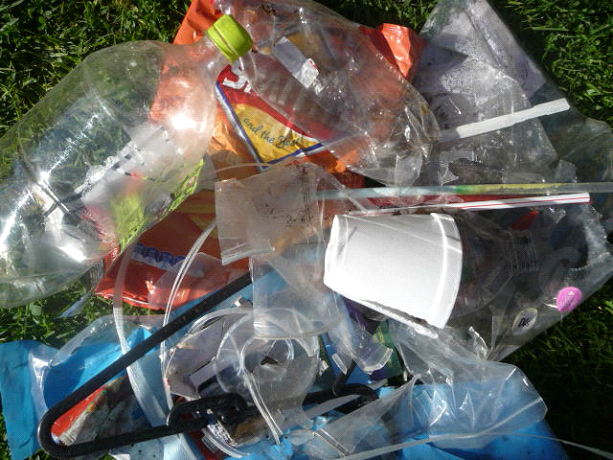 On the way home from the gym last week, a distance of about 1 km (1/2 mile), I counted the items of plastic litter on the curb as I walked. In that short distance I counted 63 pieces of plastic litter. Plastic drink bottles, bottle tops, candy wrappers, plastic film, polystyrene fragments etc. That seemed to be a lot to me. I guess it is a generational thing. Our parents would have been horrified to see that amount, whereas it seems to go unnoticed by our youth of today. In another 20 years how many pieces will there be on this stretch, -- 200? What will today’s youth think of that new amount then when they are older? Will their children be so readily accepting of a higher amount of litter?
 REDcycle insolvent, supermarkets to manage soft plastic waste – Australia
Posted on February 28, 2023 by DrRossH in Plastic Recycling

REDcycle has accepted the offer made by the big two supermarket chains to take responsibility for the 12,400 tonnes of soft plastic stored by REDcycle in warehouses around the country, ahead of being declared insolvent today.
Coles and Woolworths made the offer to store the soft plastic stockpile themselves late last week, after a meeting of the Soft Plastic Taskforce, following the NSW EPA’s order that the stored plastic be sent to landfill as it posed a fire risk.
REDcycle, which had already been paid a reported $20m by Coles and Woolworths since the scheme started to take it away and recycle it, responded to the offer over the weekend, ahead of a court appearance today.
The REDcycle scheme though only handled a miniscule amount of Australia’s soft plastic, estimates vary between 1-3 per cent. Boomerang Alliance, a coalition of 55 conservation groups, says it is just one per cent of the 450,000 tonnes of soft plastics it claims are used in Australia each year. Earlier this week, it called on government to introduce a robust regulatory framework, saying voluntary action has clearly failed.


Discussion · No Comments
There are no responses to "REDcycle insolvent, supermarkets to manage soft plastic waste – Australia". Comments are closed for this post.Oops! Sorry, comments are closed at this time. Please try again later.