


 How many people today grab a takeaway coffee cup from the local cafe to drink on the go? We don’t know, but the number must be enormous.. Most every one of the above have a plastic top that will last 100s of years. Some cafes still use plastic cups that last a similar time. Is 10 minutes of coffee worth 100s of years of trash?
These items can be seen littering our gutters and on our streets all over the place. If they were all cardboard, they would still be littered, but they would, at least, be gone in a short time.
They do not need to be made of plastic.
How many people today grab a takeaway coffee cup from the local cafe to drink on the go? We don’t know, but the number must be enormous.. Most every one of the above have a plastic top that will last 100s of years. Some cafes still use plastic cups that last a similar time. Is 10 minutes of coffee worth 100s of years of trash?
These items can be seen littering our gutters and on our streets all over the place. If they were all cardboard, they would still be littered, but they would, at least, be gone in a short time.
They do not need to be made of plastic.
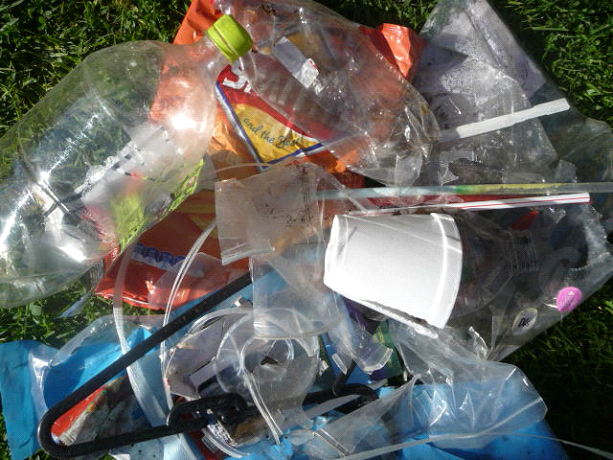 On the way home from the gym last week, a distance of about 1 km (1/2 mile), I counted the items of plastic litter on the curb as I walked. In that short distance I counted 63 pieces of plastic litter. Plastic drink bottles, bottle tops, candy wrappers, plastic film, polystyrene fragments etc. That seemed to be a lot to me. I guess it is a generational thing. Our parents would have been horrified to see that amount, whereas it seems to go unnoticed by our youth of today. In another 20 years how many pieces will there be on this stretch, -- 200? What will today’s youth think of that new amount then when they are older? Will their children be so readily accepting of a higher amount of litter?
 June 2024 - Plastic Waste Solutions
-

What environmental groups are saying after balloon releases banned – USA
Posted on June 27, 2024 by DrRossH in BalloonsHouse Bill 321 will ban the intentional release of all balloons, including those that are biodegradable. Source: What environmental groups are saying after balloon releases banned However, celebratory releases will soon be a thing of the past in Florida. House...
Continue reading this entry → -
Mechanical vs chemical recycling: Call for balance – Australia
Posted on June 20, 2024 by DrRossH in Plastic RecyclingSteve Morriss of Close the Loop Group weighs in on recycled content targets for circular soft plastics and calls for a balanced approach to boost Australia’s recycled content recovery. Source: Mechanical vs chemical recycling: Call for balance - PKN Packaging...
Continue reading this entry → -

Simple method to measure microplastic concentration
Posted on June 20, 2024 by DrRossH in Plastic Waste NewsResearchers have developed a simple method to measure nano/ microplastic concentration in different soil types. Source: Simple method to measure microplastic concentration - Inside Waste Current techniques for measuring nano/ microplastic (N/MP) concentrations in soil require the soil organic matter...
Continue reading this entry → -
Report: brands lag in meeting plastics recycling promises USA
Posted on June 14, 2024 by DrRossH in Plastic RecyclingA new scorecard from an environmental investment group says global brands are falling behind on promises to make their plastics packaging more sustainable. Source: Report: brands lag in meeting plastics recycling promises | Plastics News Major consumer brands are falling well...
Continue reading this entry → -
WinCup’s phade PHA straws are gamechangers – USA
Posted on June 12, 2024 by DrRossH in Plastic Waste NewsThe phade straws manufactured by food service ware manufacturer WinCup look, feel and perform like regular plastic straws. There, however, the resemblance ends. Made from the biopolymer PHA, these straws completely biodegrade in any environment where bacteria is present. They...
Continue reading this entry → -
US Plastics Pact updates targets for 2030 – USA
Posted on June 12, 2024 by DrRossH in Plastic RecyclingA "more nuanced" set of objectives focuses on recycling, virgin plastics reduction, bio-based materials and other projects with goals in 2030 rather than 2025. Source: US Plastics Pact updates targets for 2030 | Sustainable Plastics The newest set of targets for...
Continue reading this entry → -

BioPak launches PHA compostable packaging – Australia
Posted on June 11, 2024 by DrRossH in Plastic Waste NewsPackaging specialist BioPak has launched of its PHA range, an innovation that is set to revolutionise the home-compostable cup industry. Source: BioPak launches PHA compostable packaging - Inside Waste A notable factor of the innovation is that the PHA resin...
Continue reading this entry → -

Turning Trash Into Treasure: How AI Is Revolutionizing Waste Sorting – USA
Posted on June 3, 2024 by DrRossH in Plastic RecyclingThe US has lost land about the size of Maryland to landfills. Discover how AI-driven sortation is recovering millions of recyclables and helping save the planet. Source: Turning Trash Into Treasure: How AI Is Revolutionizing Waste Sorting Interesting to read how...
Continue reading this entry →