


 How many people today grab a takeaway coffee cup from the local cafe to drink on the go? We don’t know, but the number must be enormous.. Most every one of the above have a plastic top that will last 100s of years. Some cafes still use plastic cups that last a similar time. Is 10 minutes of coffee worth 100s of years of trash?
These items can be seen littering our gutters and on our streets all over the place. If they were all cardboard, they would still be littered, but they would, at least, be gone in a short time.
They do not need to be made of plastic.
How many people today grab a takeaway coffee cup from the local cafe to drink on the go? We don’t know, but the number must be enormous.. Most every one of the above have a plastic top that will last 100s of years. Some cafes still use plastic cups that last a similar time. Is 10 minutes of coffee worth 100s of years of trash?
These items can be seen littering our gutters and on our streets all over the place. If they were all cardboard, they would still be littered, but they would, at least, be gone in a short time.
They do not need to be made of plastic.
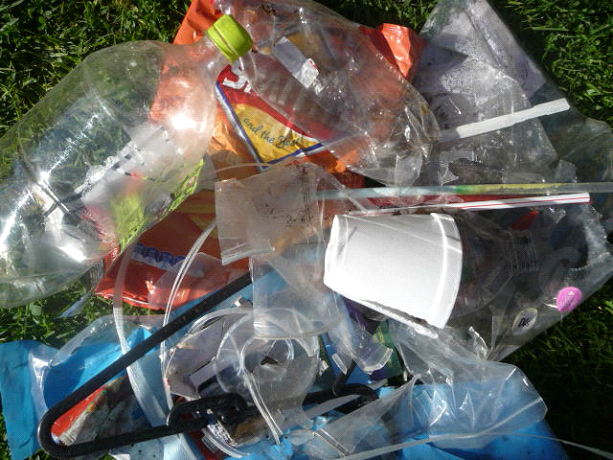 On the way home from the gym last week, a distance of about 1 km (1/2 mile), I counted the items of plastic litter on the curb as I walked. In that short distance I counted 63 pieces of plastic litter. Plastic drink bottles, bottle tops, candy wrappers, plastic film, polystyrene fragments etc. That seemed to be a lot to me. I guess it is a generational thing. Our parents would have been horrified to see that amount, whereas it seems to go unnoticed by our youth of today. In another 20 years how many pieces will there be on this stretch, -- 200? What will today’s youth think of that new amount then when they are older? Will their children be so readily accepting of a higher amount of litter?
Why Do We Find It Necessary to Rank Threats to the Planet Against One Another?
Posted on May 22, 2022 by DrRossH in Plastic Waste News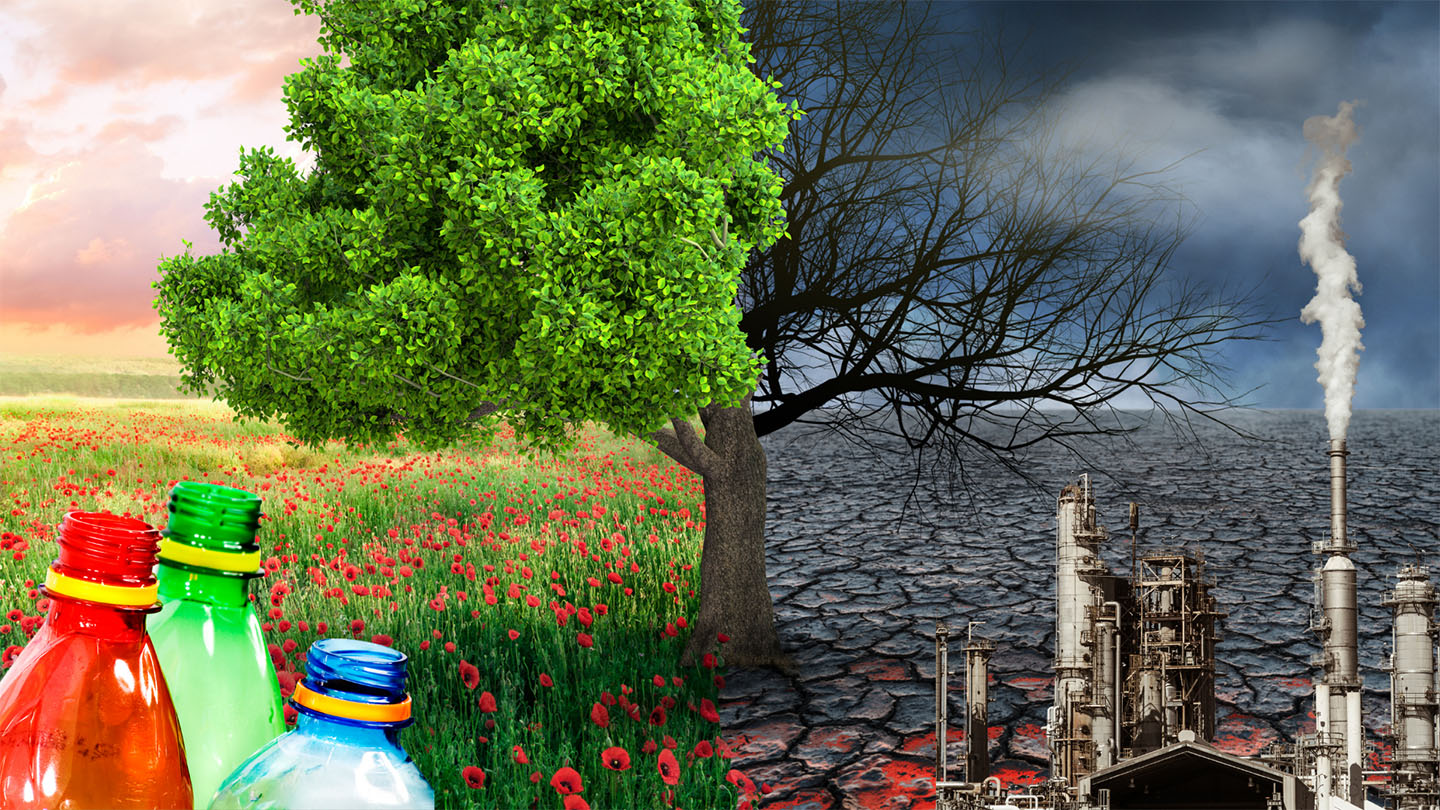
On to waste management. Disposal routes for conventional plastics are lacking. These including recycling (only around 10% of plastics are recycled6), landfilling, or incineration. The largest contributor to climate change of those disposal strategies is waste incineration. Not only does this release copious amounts of carbon dioxide into the atmosphere, but incineration facilities are disproportionately built near low-income communities and communities of color5,. Landfilling, while consistent with a lower climate impact than incineration, is known to also have deleterious placement near at-risk communities of people. Recycling, in theory, presents one of the most closed-loop waste management strategies, but the high-cost, low commercial value of the process itself makes recycling seldomly profitable. Research suggests only 2% of plastics are recycled into items of the same value whereas 8% are downcycled aka turned into items of lesser value5. The rest? Landfilled, incinerated, or they become pollution. And the contributions to climate change don’t stop there.
Research suggests that plastics such as polyethylene (plastic forks, knives, some bags, etc.) release greenhouse gasses as they break down in the environment7. Plastic pollution even affects the ocean’s ability to sequester carbon dioxide emissions from human activities. Traditionally, our oceans can remove up to 50% of these emissions via species such as plankton. Scientists have since discovered that the presence of small plastics, termed microplastics, inhibit plankton’s ability to remove carbon dioxide from the atmosphere8. Factor in that the world’s plastic production numbers have only increased, and we’ve got an environmental crisis on our hands in the form of plastics heavily contributing to climate change.


Discussion · No Comments
There are no responses to "Why Do We Find It Necessary to Rank Threats to the Planet Against One Another?". Comments are closed for this post.Oops! Sorry, comments are closed at this time. Please try again later.