


 How many people today grab a takeaway coffee cup from the local cafe to drink on the go? We don’t know, but the number must be enormous.. Most every one of the above have a plastic top that will last 100s of years. Some cafes still use plastic cups that last a similar time. Is 10 minutes of coffee worth 100s of years of trash?
These items can be seen littering our gutters and on our streets all over the place. If they were all cardboard, they would still be littered, but they would, at least, be gone in a short time.
They do not need to be made of plastic.
How many people today grab a takeaway coffee cup from the local cafe to drink on the go? We don’t know, but the number must be enormous.. Most every one of the above have a plastic top that will last 100s of years. Some cafes still use plastic cups that last a similar time. Is 10 minutes of coffee worth 100s of years of trash?
These items can be seen littering our gutters and on our streets all over the place. If they were all cardboard, they would still be littered, but they would, at least, be gone in a short time.
They do not need to be made of plastic.
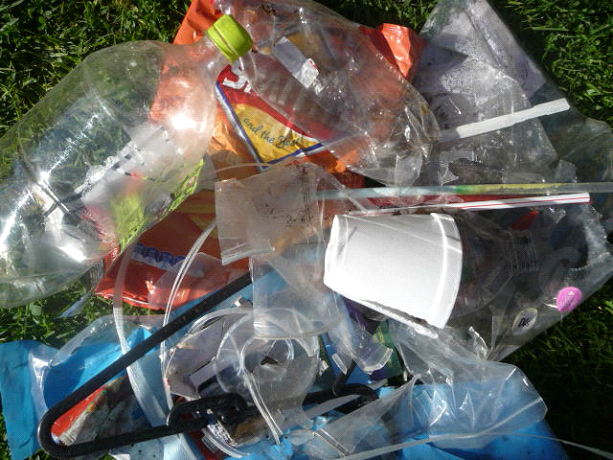 On the way home from the gym last week, a distance of about 1 km (1/2 mile), I counted the items of plastic litter on the curb as I walked. In that short distance I counted 63 pieces of plastic litter. Plastic drink bottles, bottle tops, candy wrappers, plastic film, polystyrene fragments etc. That seemed to be a lot to me. I guess it is a generational thing. Our parents would have been horrified to see that amount, whereas it seems to go unnoticed by our youth of today. In another 20 years how many pieces will there be on this stretch, -- 200? What will today’s youth think of that new amount then when they are older? Will their children be so readily accepting of a higher amount of litter?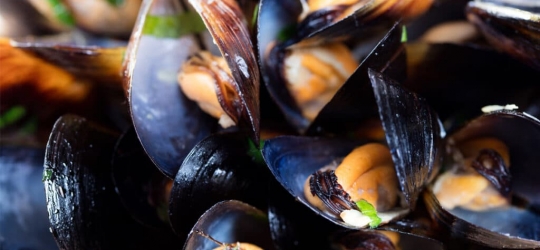
Mussels suffer from ingesting plastic – Australia
Posted on March 29, 2022 by DrRossH in Plastic & Wildlife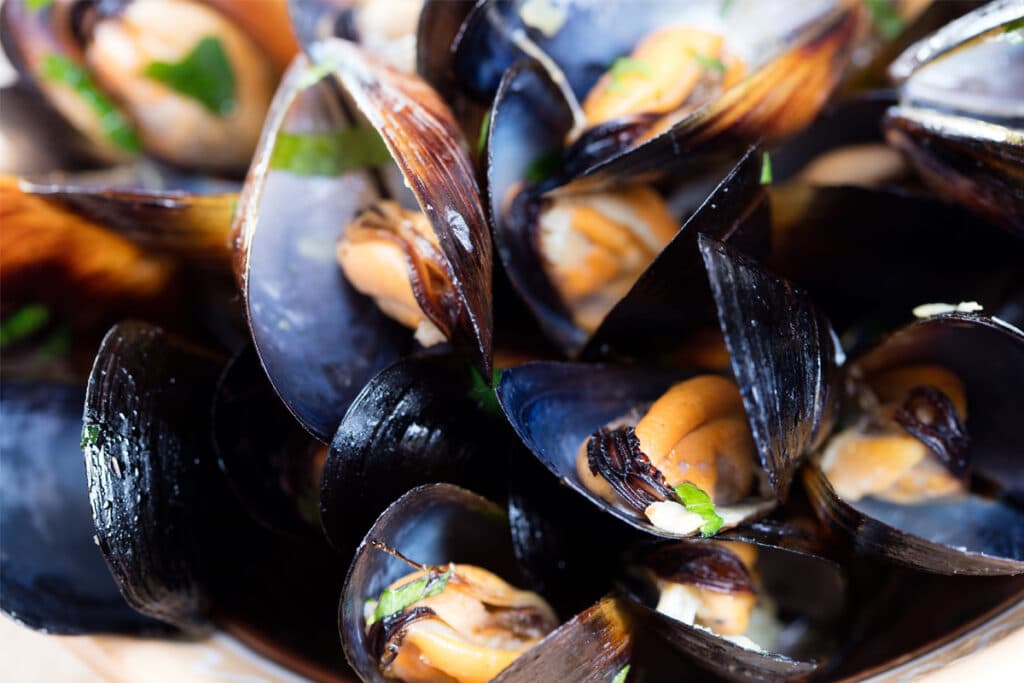
Mussels in Port Phillip Bay near Melbourne are ingesting microscopic pieces of plastic used in cosmetics. And it’s affecting their ability to grow and reproduce, an RMIT University eco-toxicologist has found.
The microplastics travel from our bathroom sinks to the ocean, where they are easily confused with algae or seaweeds. Because they cannot tell the difference, the mussels take in the plastic along with their normal diet of algae.
But, says researcher Dr Charlene Trestrail, the plastics affect the action of four of their key digestive enzymes which means the mussels then struggle to break down starch into the simple sugars they need to survive.
“We don’t think the plastic affects mussels directly, but it does reduce their ability to digest the real food in their gut, which means they miss out on energy and nutrients,” says Dr Trestrail.
If they can’t digest food effectively, the mussels cannot grow, so they end up smaller overall. They also need energy to mate and reproduce, which could have serious ramifications for biodiversity in the Bay.
“Besides being a tasty treat for humans, mussels play an important role in keeping marine ecosystems healthy,” Dr Trestrail says. “And because plastic affects their ability to breed, we could see a drop in mussel populations in Port Phillip Bay, with knock-on effects for other marine wildlife.”
While environmental campaigners have worked hard to reduce the amount of plastic in the oceans from easily visible things like shopping bags and packaging, most people are not aware of the impact of microbeads and other hidden plastics in products like toothpaste or bath scrubs.
“We know lots about how plastics affect animals externally – we’ve all seen photos of birds and turtles entangled in plastic – but this is one of the first studies to investigate how tiny plastics affect animals’ stomachs,” says Dr Trestrail.
There has been a push in recent years for new legislation to reduce microplastic pollution, from microbeads in bathroom products to fibres in synthetic fabrics. But while the Federal government has supported the cosmetics industry to start phasing out microbeads, the 2021 National Plastics Plan stopped short of banning or regulating their use.
“We need to take pollution from microplastics and microbeads seriously,” says Dr Trestrail. “Because they’re so small, once they’re in the ecosystem they are impossible to remove. The only solution is not to use them in the first place.”


Discussion · No Comments
There are no responses to "Mussels suffer from ingesting plastic – Australia". Comments are closed for this post.Oops! Sorry, comments are closed at this time. Please try again later.