


 How many people today grab a takeaway coffee cup from the local cafe to drink on the go? We don’t know, but the number must be enormous.. Most every one of the above have a plastic top that will last 100s of years. Some cafes still use plastic cups that last a similar time. Is 10 minutes of coffee worth 100s of years of trash?
These items can be seen littering our gutters and on our streets all over the place. If they were all cardboard, they would still be littered, but they would, at least, be gone in a short time.
They do not need to be made of plastic.
How many people today grab a takeaway coffee cup from the local cafe to drink on the go? We don’t know, but the number must be enormous.. Most every one of the above have a plastic top that will last 100s of years. Some cafes still use plastic cups that last a similar time. Is 10 minutes of coffee worth 100s of years of trash?
These items can be seen littering our gutters and on our streets all over the place. If they were all cardboard, they would still be littered, but they would, at least, be gone in a short time.
They do not need to be made of plastic.
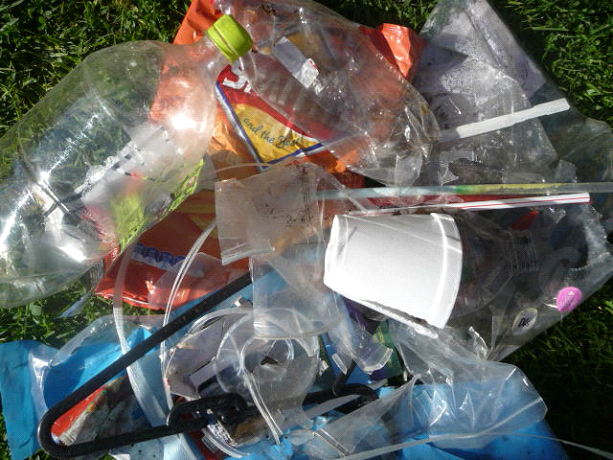 On the way home from the gym last week, a distance of about 1 km (1/2 mile), I counted the items of plastic litter on the curb as I walked. In that short distance I counted 63 pieces of plastic litter. Plastic drink bottles, bottle tops, candy wrappers, plastic film, polystyrene fragments etc. That seemed to be a lot to me. I guess it is a generational thing. Our parents would have been horrified to see that amount, whereas it seems to go unnoticed by our youth of today. In another 20 years how many pieces will there be on this stretch, -- 200? What will today’s youth think of that new amount then when they are older? Will their children be so readily accepting of a higher amount of litter?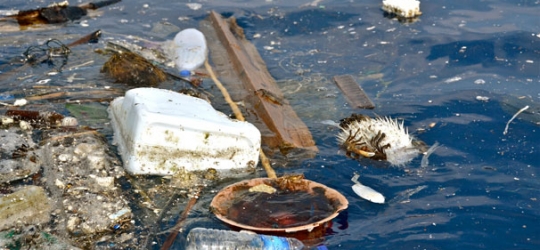
Plastic waste in marine ecosystems cost US$13bn in damages
Posted on July 14, 2014 by DrRossH in Plastic Waste NewsPack Web Asia – Plastic waste in marine ecosystems cost US$13bn in damages.
Valuing Plastic’, a UNEP-supported report produced by the Plastic Disclosure Project (PDP) and Trucost, makes the business case for managing and disclosing plastic use in the consumer goods industry.
The report has found that the overall natural capital cost of plastic use in the consumer goods sector each year is US$75 billion – financial impacts resulting from issues such as pollution of the marine environment or air pollution caused by incinerating plastic.
The environmental damage due to plastic waste includes mortality or illness when ingested by sea creatures such as turtles, entanglement of animals such as dolphins and whales, and damage to critical habitats such as coral reefs. There are also concerns about chemical contamination, invasive species spread by plastic fragments, and economic damage to the fishing and tourism industries in many countries – by, for example, fouling fishing equipment and polluting beaches.


Discussion · No Comments
There are no responses to "Plastic waste in marine ecosystems cost US$13bn in damages". Comments are closed for this post.Oops! Sorry, comments are closed at this time. Please try again later.