


 How many people today grab a takeaway coffee cup from the local cafe to drink on the go? We don’t know, but the number must be enormous.. Most every one of the above have a plastic top that will last 100s of years. Some cafes still use plastic cups that last a similar time. Is 10 minutes of coffee worth 100s of years of trash?
These items can be seen littering our gutters and on our streets all over the place. If they were all cardboard, they would still be littered, but they would, at least, be gone in a short time.
They do not need to be made of plastic.
How many people today grab a takeaway coffee cup from the local cafe to drink on the go? We don’t know, but the number must be enormous.. Most every one of the above have a plastic top that will last 100s of years. Some cafes still use plastic cups that last a similar time. Is 10 minutes of coffee worth 100s of years of trash?
These items can be seen littering our gutters and on our streets all over the place. If they were all cardboard, they would still be littered, but they would, at least, be gone in a short time.
They do not need to be made of plastic.
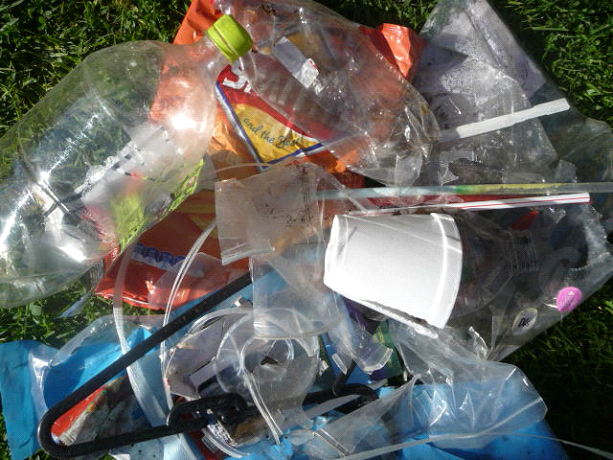 On the way home from the gym last week, a distance of about 1 km (1/2 mile), I counted the items of plastic litter on the curb as I walked. In that short distance I counted 63 pieces of plastic litter. Plastic drink bottles, bottle tops, candy wrappers, plastic film, polystyrene fragments etc. That seemed to be a lot to me. I guess it is a generational thing. Our parents would have been horrified to see that amount, whereas it seems to go unnoticed by our youth of today. In another 20 years how many pieces will there be on this stretch, -- 200? What will today’s youth think of that new amount then when they are older? Will their children be so readily accepting of a higher amount of litter?
Recycling hope for plastic-hungry enzyme
Posted on April 23, 2018 by DrRossH in Plastic Waste News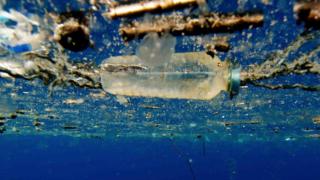
Science created a ‘wonder material’ in plastic; now nature is helping to unmake it.
Source: Recycling hope for plastic-hungry enzyme
PET, the strong plastic commonly used in bottles, takes hundreds of years to break down in the environment.
The modified enzyme, known as PETase, can start breaking down the same material in just a few days.
This could revolutionise the recycling process, allowing plastics to be re-used more effectively.
The enzyme is a number of years away from being deployed on a widespread scale. It will need to degrade PET faster than its current time of a few days before becoming economically viable as part of the recycling landscape.
Prof McGeehan is hopeful that this marks the beginning of a shift in the management of plastics.
“There is an urgent need to reduce the amount of plastic that ends up in landfill and the environment, and I think if we can adopt these technologies we actually have a potential solution in the future to doing that” he added.


Discussion · No Comments
There are no responses to "Recycling hope for plastic-hungry enzyme". Comments are closed for this post.Oops! Sorry, comments are closed at this time. Please try again later.