


 How many people today grab a takeaway coffee cup from the local cafe to drink on the go? We don’t know, but the number must be enormous.. Most every one of the above have a plastic top that will last 100s of years. Some cafes still use plastic cups that last a similar time. Is 10 minutes of coffee worth 100s of years of trash?
These items can be seen littering our gutters and on our streets all over the place. If they were all cardboard, they would still be littered, but they would, at least, be gone in a short time.
They do not need to be made of plastic.
How many people today grab a takeaway coffee cup from the local cafe to drink on the go? We don’t know, but the number must be enormous.. Most every one of the above have a plastic top that will last 100s of years. Some cafes still use plastic cups that last a similar time. Is 10 minutes of coffee worth 100s of years of trash?
These items can be seen littering our gutters and on our streets all over the place. If they were all cardboard, they would still be littered, but they would, at least, be gone in a short time.
They do not need to be made of plastic.
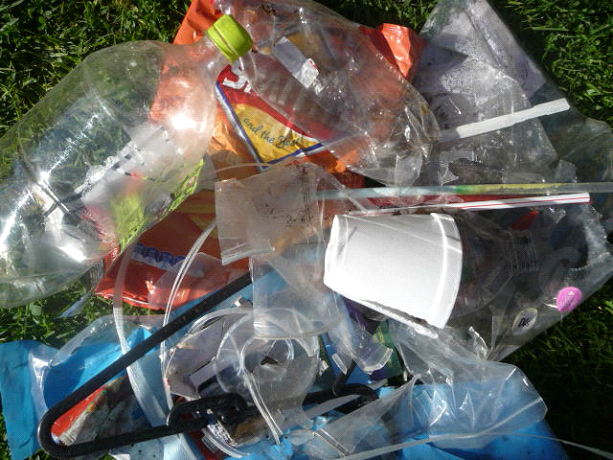 On the way home from the gym last week, a distance of about 1 km (1/2 mile), I counted the items of plastic litter on the curb as I walked. In that short distance I counted 63 pieces of plastic litter. Plastic drink bottles, bottle tops, candy wrappers, plastic film, polystyrene fragments etc. That seemed to be a lot to me. I guess it is a generational thing. Our parents would have been horrified to see that amount, whereas it seems to go unnoticed by our youth of today. In another 20 years how many pieces will there be on this stretch, -- 200? What will today’s youth think of that new amount then when they are older? Will their children be so readily accepting of a higher amount of litter?
 November 2015 - Plastic Waste Solutions
-
Miami Beach bans drinking straws | News – Home
Posted on November 14, 2015 by DrRossH in Plastic Limiting RegulationsMiami Beach bans drinking straws | News - Home. The sparkling coastline of Miami Beach is near pristine. But look a little more closely, and you’ll notice the array of multi-colored, slender cylinders in the sand: plastic drinking straws. Some beachgoers...
Continue reading this entry → -

Why our salt is packed with plastic – Australia
Posted on November 5, 2015 by DrRossH in Plastic Waste NewsWhy our salt is packed with plastic. A new study has made an unsavoury finding about salt. Delicious, delectable salt, it turns out is packed with plastic. Not packed in plastic, no, although it often is too. Rather, the salt we...
Continue reading this entry → -
Switching to biodegradable plastic will help Oman
Posted on November 2, 2015 by DrRossH in Plastic Limiting RegulationsTimes Of Oman :: Switching to biodegradable plastic will help Oman’s environment. Please be careful, biodegradation to different to degradation. The latter is fragmentation into small pieces of plastic that would then be harmful to the wildlife. If you are being...
Continue reading this entry →