


 How many people today grab a takeaway coffee cup from the local cafe to drink on the go? We don’t know, but the number must be enormous.. Most every one of the above have a plastic top that will last 100s of years. Some cafes still use plastic cups that last a similar time. Is 10 minutes of coffee worth 100s of years of trash?
These items can be seen littering our gutters and on our streets all over the place. If they were all cardboard, they would still be littered, but they would, at least, be gone in a short time.
They do not need to be made of plastic.
How many people today grab a takeaway coffee cup from the local cafe to drink on the go? We don’t know, but the number must be enormous.. Most every one of the above have a plastic top that will last 100s of years. Some cafes still use plastic cups that last a similar time. Is 10 minutes of coffee worth 100s of years of trash?
These items can be seen littering our gutters and on our streets all over the place. If they were all cardboard, they would still be littered, but they would, at least, be gone in a short time.
They do not need to be made of plastic.
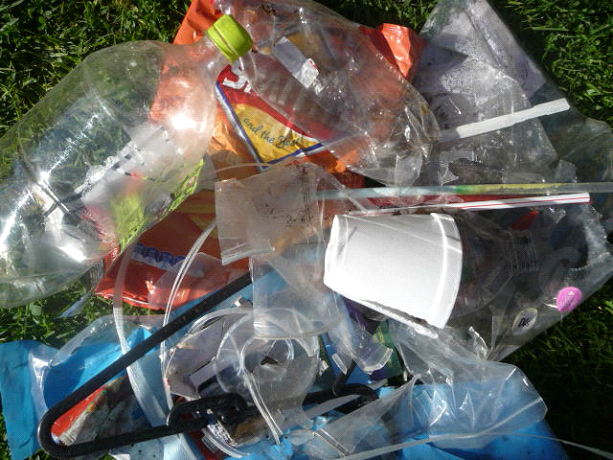 On the way home from the gym last week, a distance of about 1 km (1/2 mile), I counted the items of plastic litter on the curb as I walked. In that short distance I counted 63 pieces of plastic litter. Plastic drink bottles, bottle tops, candy wrappers, plastic film, polystyrene fragments etc. That seemed to be a lot to me. I guess it is a generational thing. Our parents would have been horrified to see that amount, whereas it seems to go unnoticed by our youth of today. In another 20 years how many pieces will there be on this stretch, -- 200? What will today’s youth think of that new amount then when they are older? Will their children be so readily accepting of a higher amount of litter?
 March 2020 - Plastic Waste Solutions
-
Cleaning Up Our Act: Redirecting the Future of Plastic in NSW – Australia
Posted on March 29, 2020 by DrRossH in Plastic Limiting RegulationsSource Plastic has vastly improved the quality of our lives and allowed us to pursue unparalleled advances in technology, transport, communication, healthcare, safety and education. However, plastic has also become synonymous with the global consumer economy...
Continue reading this entry → -
Don’t let this pandemic ruin the fight against single-use plastics
Posted on March 28, 2020 by DrRossH in Plastic Waste NewsSource: Don't let this pandemic ruin the fight against single-use plastics | TreeHugger It is imperative that we not let one crisis turn into another. Large corporations are notorious for exploiting times of crisis to push forward their own agendas, and...
Continue reading this entry → -
BioGone Dog Bags
Posted on March 23, 2020 by DrRossH in Plastic Waste NewsLandfill Biodegradable Dog bags With the removal of the humble grey, single-use shopping bag, there has been a sharp rise in demand for dog waste bags in Australia. With 4.2 million pet dogs in Australia, 1.5 tonnes of dog waste...
Continue reading this entry → -
ANZPAC Plastics Pact to tackle plastic waste in Australia, New Zealand and Pacific Islands
Posted on March 18, 2020 by DrRossH in Plastic Waste NewsSource: ANZPAC Plastics Pact to tackle plastic waste in Australia, New Zealand and Pacific Islands | Food & Beverage With just 16% of plastic packaging currently being recycled in Australia, ANZPAC will provide the significant intervention required to meet Australia’s...
Continue reading this entry →