

 How many people today grab a takeaway coffee cup from the local cafe to drink on the go? We don’t know, but the number must be enormous.. Most every one of the above have a plastic top that will last 100s of years. Some cafes still use plastic cups that last a similar time. Is 10 minutes of coffee worth 100s of years of trash?
These items can be seen littering our gutters and on our streets all over the place. If they were all cardboard, they would still be littered, but they would, at least, be gone in a short time.
They do not need to be made of plastic.
How many people today grab a takeaway coffee cup from the local cafe to drink on the go? We don’t know, but the number must be enormous.. Most every one of the above have a plastic top that will last 100s of years. Some cafes still use plastic cups that last a similar time. Is 10 minutes of coffee worth 100s of years of trash?
These items can be seen littering our gutters and on our streets all over the place. If they were all cardboard, they would still be littered, but they would, at least, be gone in a short time.
They do not need to be made of plastic.
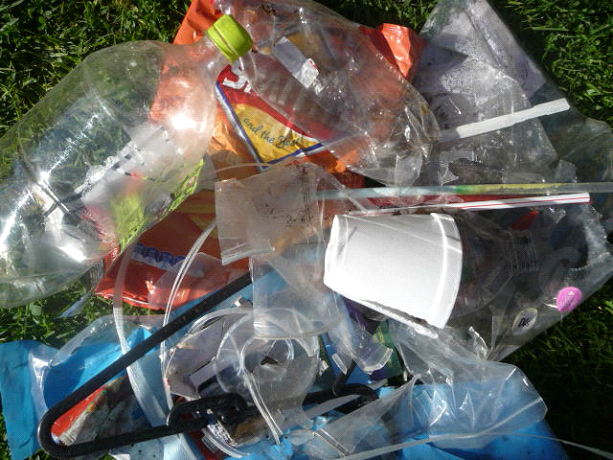 On the way home from the gym last week, a distance of about 1 km (1/2 mile), I counted the items of plastic litter on the curb as I walked. In that short distance I counted 63 pieces of plastic litter. Plastic drink bottles, bottle tops, candy wrappers, plastic film, polystyrene fragments etc. That seemed to be a lot to me. I guess it is a generational thing. Our parents would have been horrified to see that amount, whereas it seems to go unnoticed by our youth of today. In another 20 years how many pieces will there be on this stretch, -- 200? What will today’s youth think of that new amount then when they are older? Will their children be so readily accepting of a higher amount of litter?
 July 2013 - Plastic Waste Solutions
-
Man invents machine to convert plastic into oil – YouTube
Posted on July 31, 2013 by DrRossH in Plastic Waste NewsMan invents machine to convert plastic into oil - YouTube. If we had more people like this gentleman out world would be a lot less polluted with plastic waste and affected by unnecessary CO2 emissions.
Continue reading this entry → -
EPR: Ontario versus British Columbia
Posted on July 28, 2013 by DrRossH in Stewardship Waste ProgramsEPR: Ontario versus British Columbia. Without incorporating recycling costs directly into the price of products, stewards are neither motivated nor encouraged to find innovative ways to reduce both waste and costs. Costs are simply passed directly on to consumers rather...
Continue reading this entry → -
The Plastic Film Challenge – Canada
Posted on July 28, 2013 by DrRossH in Plastic Waste NewsThe Film Challenge We use a lot of film as we as a society have made it easy to use. Shrink wrapping of pallets for transport is a good example of where film is widely used. But is many situations it...
Continue reading this entry → -
WM opens $1.5-million Florida transfer station – USA
Posted on July 28, 2013 by DrRossH in Landfills and DisposalWM opens $1.5-million Florida transfer station. City of Fort Pierce officials joined in the festivities to kickoff off the city’s new Single-Stream Cart recycling program. Over the past few weeks, more than 5,000 64-gallon blue carts on wheels have been delivered...
Continue reading this entry → -

Zero Waste Journey
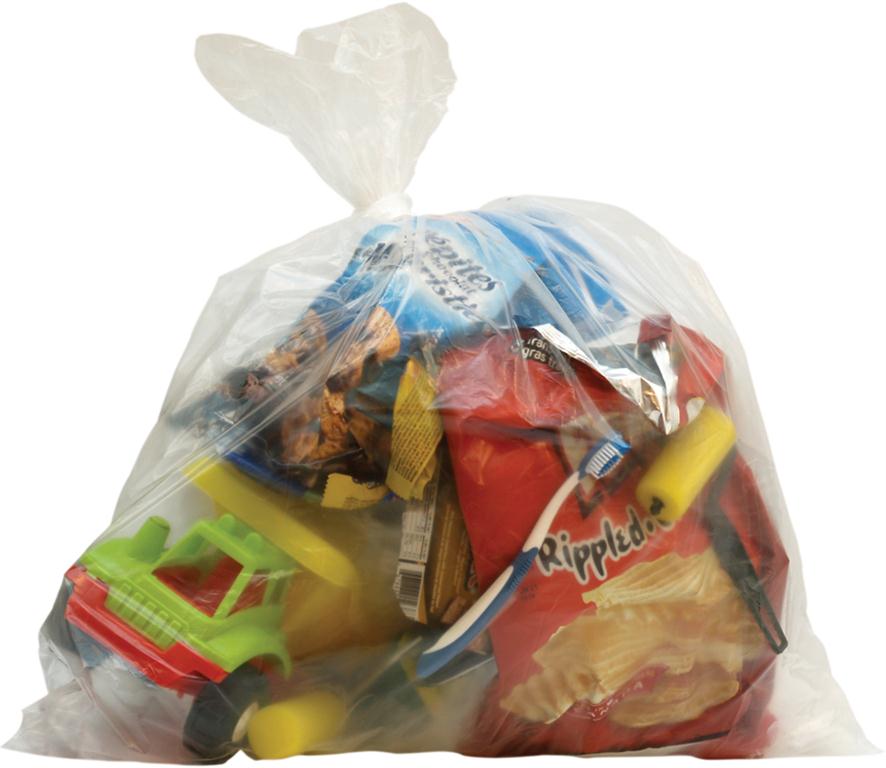
Posted on July 28, 2013 by DrRossH in Plastic Waste NewsZero Waste Journey. The cornerstone of the new initiatives is an unlimited “clear garbage bag program” that requires residents to use clear garbage bags, in preparation for the transition from the landfilling of waste residue to incineration in 2014. The...
Continue reading this entry → -
Barbecue Time – Canada
Posted on July 28, 2013 by DrRossH in Plastic Waste NewsBarbecue Time. For two events catered by environmentally savvy caterer 1) For 1400 people. The waste generated was primarily soiled plastic wrap, cans and plastic bottles, food waste, compostable plates and cutlery, napkins and cardboard. Total materials generated were 265.3 kg...
Continue reading this entry → -
Until the robots conquer us: Is biodegradability a beneficial attribute for discarded solid waste?
Posted on July 25, 2013 by DrRossH in Landfills and DisposalUntil the robots conquer us: Is biodegradability a beneficial attribute for discarded solid waste?. "It is this analysis that has led to headlines about biodegradable materials being bad for the environment. I would say it shows that there are negative...
Continue reading this entry → -
Water Bottle Pollution Facts – USA
Posted on July 25, 2013 by DrRossH in Plastic Waste NewsWater Bottle Pollution Facts | Home Guides | SF Gate. In 1976 Americans drank an average of 1.6 gallons of bottled water every year. Roughly 30 years...
Continue reading this entry → -
Quebec EPRA add video games, servers, GPS
Posted on July 23, 2013 by DrRossH in Stewardship Waste ProgramsQuebec EPRA add video games, servers, GPS. The EPRA announced that environmental handling fees — or EHFs — will only be applied to new e-products as of August 1, 2013.
Continue reading this entry → -
Oxo Biodegradable Bag Test – USA
Posted on July 23, 2013 by DrRossH in Plastic Waste NewsOxo Biodegradable Bag Test. Using recommendations from a Oxo distributor who criticized our research, Woods End scientists mounted Oxo and regular polyethylene bags on a fence. After 3 months, in a sizzling summer of unusually hot weather including several record...
Continue reading this entry →