


 How many people today grab a takeaway coffee cup from the local cafe to drink on the go? We don’t know, but the number must be enormous.. Most every one of the above have a plastic top that will last 100s of years. Some cafes still use plastic cups that last a similar time. Is 10 minutes of coffee worth 100s of years of trash?
These items can be seen littering our gutters and on our streets all over the place. If they were all cardboard, they would still be littered, but they would, at least, be gone in a short time.
They do not need to be made of plastic.
How many people today grab a takeaway coffee cup from the local cafe to drink on the go? We don’t know, but the number must be enormous.. Most every one of the above have a plastic top that will last 100s of years. Some cafes still use plastic cups that last a similar time. Is 10 minutes of coffee worth 100s of years of trash?
These items can be seen littering our gutters and on our streets all over the place. If they were all cardboard, they would still be littered, but they would, at least, be gone in a short time.
They do not need to be made of plastic.
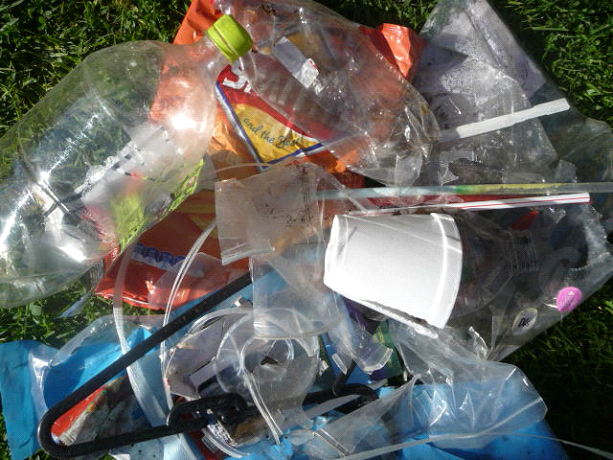 On the way home from the gym last week, a distance of about 1 km (1/2 mile), I counted the items of plastic litter on the curb as I walked. In that short distance I counted 63 pieces of plastic litter. Plastic drink bottles, bottle tops, candy wrappers, plastic film, polystyrene fragments etc. That seemed to be a lot to me. I guess it is a generational thing. Our parents would have been horrified to see that amount, whereas it seems to go unnoticed by our youth of today. In another 20 years how many pieces will there be on this stretch, -- 200? What will today’s youth think of that new amount then when they are older? Will their children be so readily accepting of a higher amount of litter?
 Andrew Forrest launches US$300m war on plastic to tackle ocean pollution – Australia
Posted on September 30, 2019 by DrRossH in Plastic Waste NewsMining billionaire’s initiative would see manufacturers of virgin plastic pay premium for doing so
Source: Andrew Forrest launches US$300m war on plastic to tackle ocean pollution
He said a voluntary contribution for fossil fuel-based plastics would start at US$200 per tonne and, for the most difficult to recycle plastics, could be up to US$5,000 per tonne.
He believes transitioning to a circular economy that limits the production of single-use plastic and creates an end-use for plastic waste that is currently being discarded into the environment is an opportunity for big businesses.
“If they elevate the price of bad plastic or fossil fuel plastic, then instantly what becomes commercial is all the plastic in the world which is currently known as waste,” Forrest said.
He said such a scheme could also have an impact in reducing the climate footprint of the global plastics industry by decoupling it from fossil fuels.
Forrest’s US$300m commitment consists of $40m in startup capital and $1m per week for 260 weeks for a global body that would independently audit the scheme and funds raised from it.
But he said major producers and users of plastics in the global supply chain such as the Coca-Cola Company, Walmart and Unilever had responded positively to the initiative.
“The protection of our oceans is fundamental to the preservation and flourishing of life on Earth,” Alan Jope, the chief executive of Unilever PLC said.


Discussion · No Comments
There are no responses to "Andrew Forrest launches US$300m war on plastic to tackle ocean pollution – Australia". Comments are closed for this post.Oops! Sorry, comments are closed at this time. Please try again later.