


 How many people today grab a takeaway coffee cup from the local cafe to drink on the go? We don’t know, but the number must be enormous.. Most every one of the above have a plastic top that will last 100s of years. Some cafes still use plastic cups that last a similar time. Is 10 minutes of coffee worth 100s of years of trash?
These items can be seen littering our gutters and on our streets all over the place. If they were all cardboard, they would still be littered, but they would, at least, be gone in a short time.
They do not need to be made of plastic.
How many people today grab a takeaway coffee cup from the local cafe to drink on the go? We don’t know, but the number must be enormous.. Most every one of the above have a plastic top that will last 100s of years. Some cafes still use plastic cups that last a similar time. Is 10 minutes of coffee worth 100s of years of trash?
These items can be seen littering our gutters and on our streets all over the place. If they were all cardboard, they would still be littered, but they would, at least, be gone in a short time.
They do not need to be made of plastic.
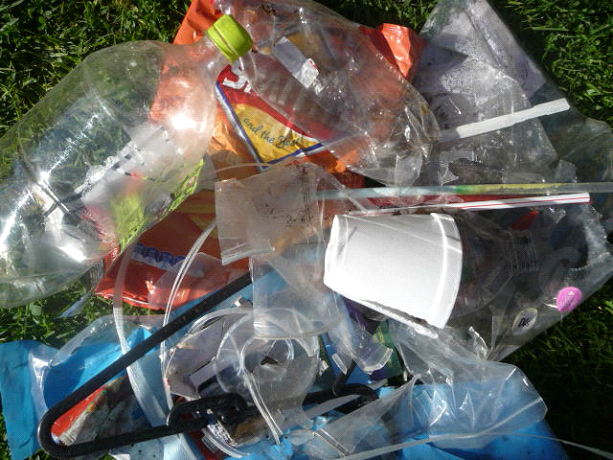 On the way home from the gym last week, a distance of about 1 km (1/2 mile), I counted the items of plastic litter on the curb as I walked. In that short distance I counted 63 pieces of plastic litter. Plastic drink bottles, bottle tops, candy wrappers, plastic film, polystyrene fragments etc. That seemed to be a lot to me. I guess it is a generational thing. Our parents would have been horrified to see that amount, whereas it seems to go unnoticed by our youth of today. In another 20 years how many pieces will there be on this stretch, -- 200? What will today’s youth think of that new amount then when they are older? Will their children be so readily accepting of a higher amount of litter?
 New tech tackles plastic farm waste – Australia
Posted on June 7, 2023 by DrRossH in Plastic RecyclingLa Trobe University researchers will investigate how plastic farm waste can be recycled as part of a new partnership.
Source: New tech tackles plastic farm waste – Waste Management Review
La Trobe University researchers will investigate how plastic farm waste can be recycled as part of a new partnership with Victorian start-up company Ritchie Technology (RTec)
Using Rtec’s technology, plastics such as baling twine, nets, covers and fertiliser bags will be melted down and used to make products such as fence posts and shipping pallets, which will then be tested by La Trobe experts for end-market use.
Associate Professor Ing Kong, Lead Researcher at La Trobe University, said the project could offer a solution to Australia’s current recycling crisis, helping move Victoria a step closer to a circular economy.
“This technology can take plastic that we previously sent off-shore for processing, melt it down locally and extrude something we can use to make new products,” Kong said.
As long as the councils or govt are not paying for the collection costs for this material. That should be borne by the plastic item suppliers.


Discussion · No Comments
There are no responses to "New tech tackles plastic farm waste – Australia". Comments are closed for this post.Oops! Sorry, comments are closed at this time. Please try again later.