


 How many people today grab a takeaway coffee cup from the local cafe to drink on the go? We don’t know, but the number must be enormous.. Most every one of the above have a plastic top that will last 100s of years. Some cafes still use plastic cups that last a similar time. Is 10 minutes of coffee worth 100s of years of trash?
These items can be seen littering our gutters and on our streets all over the place. If they were all cardboard, they would still be littered, but they would, at least, be gone in a short time.
They do not need to be made of plastic.
How many people today grab a takeaway coffee cup from the local cafe to drink on the go? We don’t know, but the number must be enormous.. Most every one of the above have a plastic top that will last 100s of years. Some cafes still use plastic cups that last a similar time. Is 10 minutes of coffee worth 100s of years of trash?
These items can be seen littering our gutters and on our streets all over the place. If they were all cardboard, they would still be littered, but they would, at least, be gone in a short time.
They do not need to be made of plastic.
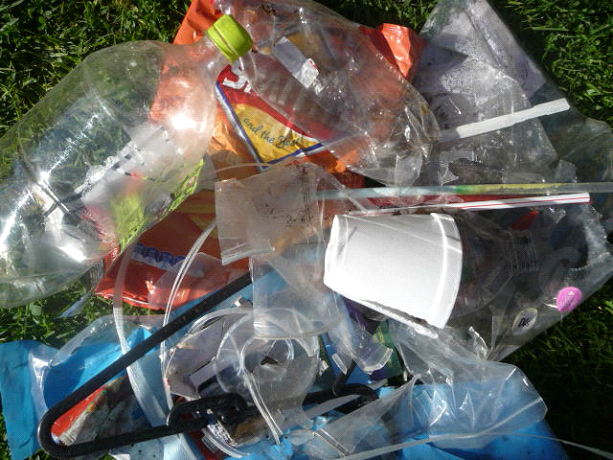 On the way home from the gym last week, a distance of about 1 km (1/2 mile), I counted the items of plastic litter on the curb as I walked. In that short distance I counted 63 pieces of plastic litter. Plastic drink bottles, bottle tops, candy wrappers, plastic film, polystyrene fragments etc. That seemed to be a lot to me. I guess it is a generational thing. Our parents would have been horrified to see that amount, whereas it seems to go unnoticed by our youth of today. In another 20 years how many pieces will there be on this stretch, -- 200? What will today’s youth think of that new amount then when they are older? Will their children be so readily accepting of a higher amount of litter?
 Plastic linked to cancer risk across production, use, and disposal: study
Posted on August 30, 2023 by DrRossH in Plastic Limiting RegulationsIn what is considered a landmark study, a team of international researchers has identified cancer risk – and other human health findings – associated with the production, use, and disposal of plastic.
Source: Plastic linked to cancer risk across production, use, and disposal: study
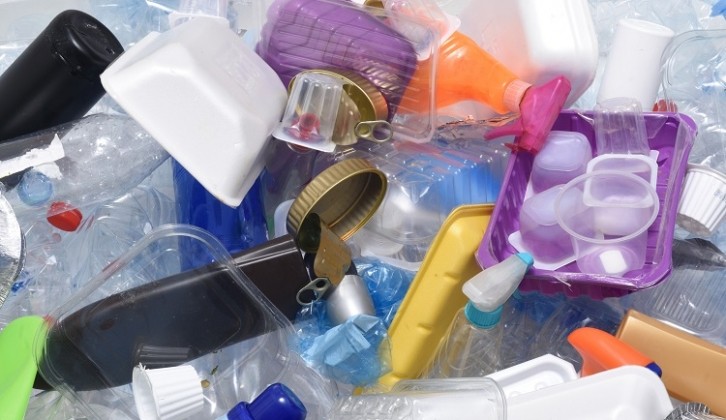
“Eight billion tonnes of plastic have been produced since 1950, more than half of it in the last 20 years, and production is on track to treble by 2050. This plastic contains thousands of toxic and cancer-causing chemicals that can leach out of the plastic at every stage. “And because plastic does not break down in the environment and less than 10% is recycled, an estimated 6bn tonnes of chemical-laden plastic waste now contaminates the earth’s environment. This is not sustainable.”
Is there a solution? The Minderoo-Monaco Commission on Plastics and Human Health is calling for the creation of Global Plastics
Treaty (currently in negation) to end plastic pollution by 2040. Such a treaty would put a cap on global plastic production with
targets, timetables, and national contributions.
According to the Commission, the Treaty should not only cover microplastics and marine litter, but nanoplastics; it should include a
provision banning or severely restricting manufacture and use of unnecessary, avoidable, and problematic plastic items; and
should include requirements on extended producer responsibility.


Discussion · No Comments
There are no responses to "Plastic linked to cancer risk across production, use, and disposal: study". Comments are closed for this post.Oops! Sorry, comments are closed at this time. Please try again later.