


 How many people today grab a takeaway coffee cup from the local cafe to drink on the go? We don’t know, but the number must be enormous.. Most every one of the above have a plastic top that will last 100s of years. Some cafes still use plastic cups that last a similar time. Is 10 minutes of coffee worth 100s of years of trash?
These items can be seen littering our gutters and on our streets all over the place. If they were all cardboard, they would still be littered, but they would, at least, be gone in a short time.
They do not need to be made of plastic.
How many people today grab a takeaway coffee cup from the local cafe to drink on the go? We don’t know, but the number must be enormous.. Most every one of the above have a plastic top that will last 100s of years. Some cafes still use plastic cups that last a similar time. Is 10 minutes of coffee worth 100s of years of trash?
These items can be seen littering our gutters and on our streets all over the place. If they were all cardboard, they would still be littered, but they would, at least, be gone in a short time.
They do not need to be made of plastic.
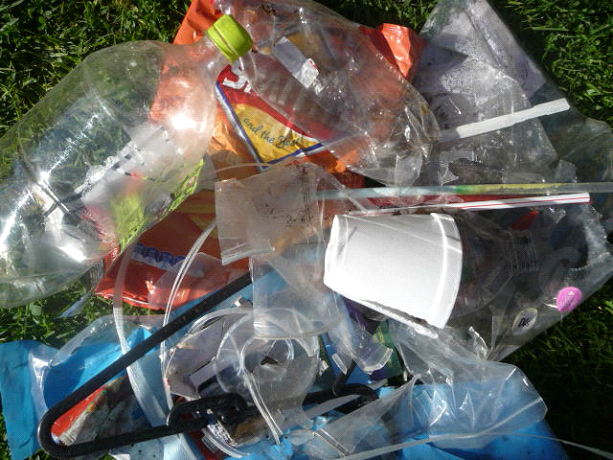 On the way home from the gym last week, a distance of about 1 km (1/2 mile), I counted the items of plastic litter on the curb as I walked. In that short distance I counted 63 pieces of plastic litter. Plastic drink bottles, bottle tops, candy wrappers, plastic film, polystyrene fragments etc. That seemed to be a lot to me. I guess it is a generational thing. Our parents would have been horrified to see that amount, whereas it seems to go unnoticed by our youth of today. In another 20 years how many pieces will there be on this stretch, -- 200? What will today’s youth think of that new amount then when they are older? Will their children be so readily accepting of a higher amount of litter?
 Turning medical plastic waste into useable energy – Australia
Posted on July 27, 2023 by DrRossH in Plastic RecyclingUniversity of Canterbury’s Professor Alex Yip is leading a research team aiming to turn medical plastic waste into energy.
Source: Turning medical plastic waste into useable energy – Inside Waste
Medical plastic waste which includes syringes and masks is a significant environmental problem. During the Covid-19 pandemic, medical plastic waste grew by 40 per cent with much of it ending up in landfills as most of the plastic cannot be recycled effectively through conventional mechanical recycling.
Pyrolysis is a technique of converting carbon-containing waste materials, such as plastics, into solid, liquid and gaseous fuels. Thermal decomposition occurs in the absence or limited supply of oxygen and using heat.
“By coupling it with an effective carbon dioxide capture technique, the catalytic pyrolysis technology will be able to produce liquid fuels sustainably that are suitable for engines. The fuel composition will be adjustable to fit different commercial purposes in New Zealand that are difficult to electrify, such as fishing vessels, cruise ferries, and heavy construction equipment.
It will be interesting to see if this works. There are a lot of downsides to pyrolysis operations.


Discussion · No Comments
There are no responses to "Turning medical plastic waste into useable energy – Australia". Comments are closed for this post.Oops! Sorry, comments are closed at this time. Please try again later.