


 How many people today grab a takeaway coffee cup from the local cafe to drink on the go? We don’t know, but the number must be enormous.. Most every one of the above have a plastic top that will last 100s of years. Some cafes still use plastic cups that last a similar time. Is 10 minutes of coffee worth 100s of years of trash?
These items can be seen littering our gutters and on our streets all over the place. If they were all cardboard, they would still be littered, but they would, at least, be gone in a short time.
They do not need to be made of plastic.
How many people today grab a takeaway coffee cup from the local cafe to drink on the go? We don’t know, but the number must be enormous.. Most every one of the above have a plastic top that will last 100s of years. Some cafes still use plastic cups that last a similar time. Is 10 minutes of coffee worth 100s of years of trash?
These items can be seen littering our gutters and on our streets all over the place. If they were all cardboard, they would still be littered, but they would, at least, be gone in a short time.
They do not need to be made of plastic.
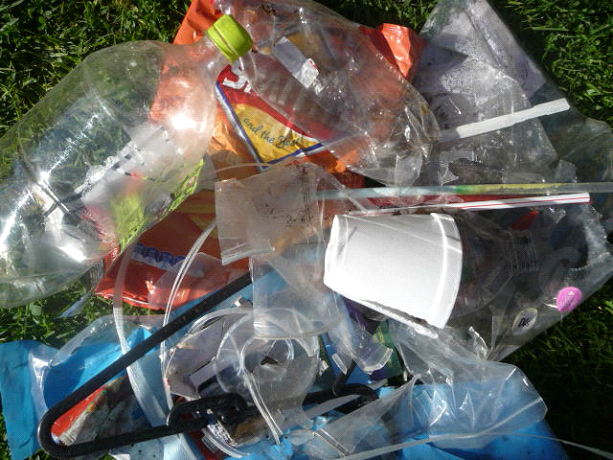 On the way home from the gym last week, a distance of about 1 km (1/2 mile), I counted the items of plastic litter on the curb as I walked. In that short distance I counted 63 pieces of plastic litter. Plastic drink bottles, bottle tops, candy wrappers, plastic film, polystyrene fragments etc. That seemed to be a lot to me. I guess it is a generational thing. Our parents would have been horrified to see that amount, whereas it seems to go unnoticed by our youth of today. In another 20 years how many pieces will there be on this stretch, -- 200? What will today’s youth think of that new amount then when they are older? Will their children be so readily accepting of a higher amount of litter?
 UK Introduces Virgin plastics tax.
Posted on April 27, 2022 by DrRossH in Plastic Limiting RegulationsApril 2022 is when this incentive to push companies to use recycled plastic .
The new law proposes a Plastics Packaging Tax which “will apply at a rate of £200 per tonne of plastic packaging which does not contain at least 30% recycled plastic. This will apply to plastic packaging which has been manufactured in, or imported into, the UK,” according to the policy consultation document.
“The government will keep the rate of the tax and the 30% recycled plastic threshold under review to ensure that the tax remains effective in increasing the use of recycled plastic,” the document added.
While the tax, which will begin in April 2022, is intended to encourage recycling in the UK, there is concern that the UK market simply is not set up to process the volumes of material needed to meet the 30% recycled content set out by the government.
“The introduction of such as tax is intended to boost the use of recycled material. However, in the case of the UK the capacity to produce recycled plastics is not sufficient to meet 30% recycled target,” said Helen McGeough, Senior Analyst, Recycling at ICIS.
Looking at the recycled polyethylene terephthalate (R-PET) market as an example, quality and availability of post-consumer bottles is a major issue in many countries, including the UK.
“The capacity to recycle bottles [in the UK] was 140kt in 2018. However the available domestic feedstock was just over 60% of that capacity, making the country reliant on imports. Added to this is the poor quality of bales which saw the yield at 58%, equating to almost half of the available bale lost due to contamination,” McGeough said.
UK recycled high density polyethylene (R-HDPE) food grade and natural pellet prices, for example, are currently commonly trading at up to £260/tonne above virgin blow-moulding pellets price, without factoring in transport costs for R-HDPE pellets (R-HDPE pellets are typically sold on an ex-works basis while virgin blow-moulding are typically sold on a free delivered basis).
R-PET food grade pellet prices, meanwhile, are currently commonly trading at up to €650/tonne above virgin PET values across Europe. These high differentials for common grades of recycling used in plastic packaging are the result of increased commitments to sustainability among Fast Moving Consumer Goods (FMCG) companies, at a time when recycled markets are structurally undersupplied. If these differentials remain at or near their current levels, it is difficult to see how this tax would be sufficient to incentivise players away from virgin material.


Discussion · No Comments
There are no responses to "UK Introduces Virgin plastics tax.". Comments are closed for this post.Oops! Sorry, comments are closed at this time. Please try again later.