


 How many people today grab a takeaway coffee cup from the local cafe to drink on the go? We don’t know, but the number must be enormous.. Most every one of the above have a plastic top that will last 100s of years. Some cafes still use plastic cups that last a similar time. Is 10 minutes of coffee worth 100s of years of trash?
These items can be seen littering our gutters and on our streets all over the place. If they were all cardboard, they would still be littered, but they would, at least, be gone in a short time.
They do not need to be made of plastic.
How many people today grab a takeaway coffee cup from the local cafe to drink on the go? We don’t know, but the number must be enormous.. Most every one of the above have a plastic top that will last 100s of years. Some cafes still use plastic cups that last a similar time. Is 10 minutes of coffee worth 100s of years of trash?
These items can be seen littering our gutters and on our streets all over the place. If they were all cardboard, they would still be littered, but they would, at least, be gone in a short time.
They do not need to be made of plastic.
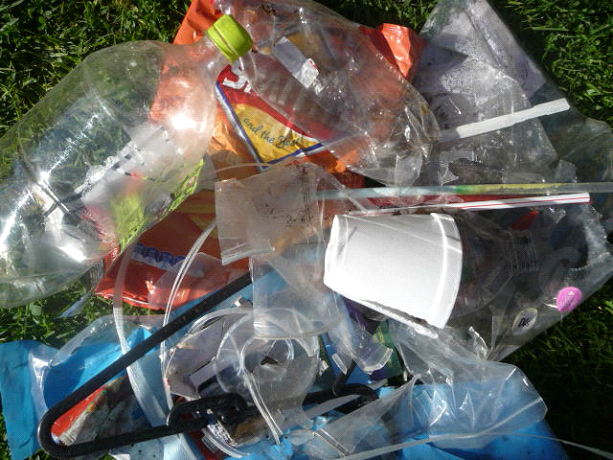 On the way home from the gym last week, a distance of about 1 km (1/2 mile), I counted the items of plastic litter on the curb as I walked. In that short distance I counted 63 pieces of plastic litter. Plastic drink bottles, bottle tops, candy wrappers, plastic film, polystyrene fragments etc. That seemed to be a lot to me. I guess it is a generational thing. Our parents would have been horrified to see that amount, whereas it seems to go unnoticed by our youth of today. In another 20 years how many pieces will there be on this stretch, -- 200? What will today’s youth think of that new amount then when they are older? Will their children be so readily accepting of a higher amount of litter?
 Waste-to-Energy in a Circular Economy: Friend or Foe? – Europe
Posted on July 6, 2022 by DrRossH in Landfills and DisposalCircular economy – it seems to be the buzzword of the moment, circling across all industries. But what does it actually entail? According to the United Nations Industrial Development Organization (UNIDO), in a circular economy “materials for new products come from old products. As much as possible, everything is reused, re-manufactured or, as a last resort, recycled back into a raw material or used as a source of energy.”
It’s a way of looking at things differently. Instead of taking raw materials from the environment, turning them into products that ultimately end up back there, it’s much more about taking the waste from the end of the supply chain and putting it back in at the beginning. One could also say that it’s simply about being more thoughtful with the resources we have.
A circular economy is based on three principles: eliminate waste and pollution, circulate products and materials, and regenerate nature. It’s clear where waste management comes in here. Various stakeholders are already discussing strategies, implementing new rules and driving innovations. But one particular sector of the industry has a hard time selling its role to the public: waste-to-energy.
Most experts agree that in order to play a sustainable role in a circular economy, waste-to-energy plants must not rely on electric-only production. Co- or better yet tri-generations seem preferable. In order to fulfil this role, the area where a new plant is built has to be considered carefully. If it is too remote from population centres and industry, the heat and steam it produces can hardly be used. Ella Stengler agrees: “Ideally a waste-to-energy plant is situated close to a potential client. There are already some very good examples where incinerators and industry work hand in hand.”


Discussion · No Comments
There are no responses to "Waste-to-Energy in a Circular Economy: Friend or Foe? – Europe". Comments are closed for this post.Oops! Sorry, comments are closed at this time. Please try again later.