


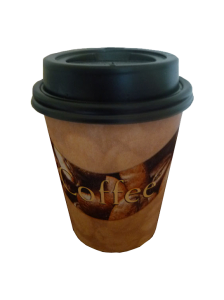
 How many people today grab a takeaway coffee cup from the local cafe to drink on the go? We don’t know, but the number must be enormous.. Most every one of the above have a plastic top that will last 100s of years. Some cafes still use plastic cups that last a similar time. Is 10 minutes of coffee worth 100s of years of trash?
These items can be seen littering our gutters and on our streets all over the place. If they were all cardboard, they would still be littered, but they would, at least, be gone in a short time.
They do not need to be made of plastic.
How many people today grab a takeaway coffee cup from the local cafe to drink on the go? We don’t know, but the number must be enormous.. Most every one of the above have a plastic top that will last 100s of years. Some cafes still use plastic cups that last a similar time. Is 10 minutes of coffee worth 100s of years of trash?
These items can be seen littering our gutters and on our streets all over the place. If they were all cardboard, they would still be littered, but they would, at least, be gone in a short time.
They do not need to be made of plastic.
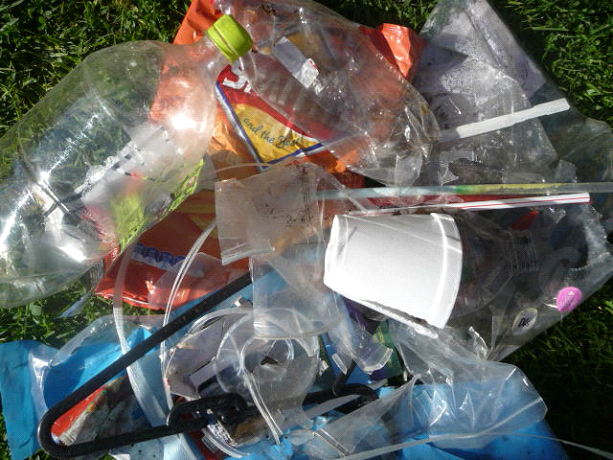 On the way home from the gym last week, a distance of about 1 km (1/2 mile), I counted the items of plastic litter on the curb as I walked. In that short distance I counted 63 pieces of plastic litter. Plastic drink bottles, bottle tops, candy wrappers, plastic film, polystyrene fragments etc. That seemed to be a lot to me. I guess it is a generational thing. Our parents would have been horrified to see that amount, whereas it seems to go unnoticed by our youth of today. In another 20 years how many pieces will there be on this stretch, -- 200? What will today’s youth think of that new amount then when they are older? Will their children be so readily accepting of a higher amount of litter?
 A new way of thinking about food waste –
Posted on April 27, 2021 by DrRossH in Plastic Waste NewsSource: A new way of thinking about food waste – Food & Beverage Industry News
“Then the 1950s roll around. Disposability brought around unparalleled convenience and affordability, which elevated people out of poverty, allowed folks to not be in the kitchen for two hours at a time. It offered huge and profound benefits for society.”
But, according to Szaky, a strange thing happened – the packaging the product comes in became the property of the consumer.
Take Häagan Daz ice cream for example. Instead of buying a tub of ice-cream in the usual cardboard/wax packaging, it will be available in a stainless-steel container. Once the ice-cream is finished, it’s ready to be picked up, returned to the Loop station, washed, and then returned to the brand for reuse.
In order to take the business to the next step, Loop has partnered in Australia with Woolworths, who is providing the online platform for the service.
This could have large impact on the reduction of plastic waste. But will the consumers make the extra effort to support it?


Discussion · No Comments
There are no responses to "A new way of thinking about food waste – ". Comments are closed for this post.Oops! Sorry, comments are closed at this time. Please try again later.