


 How many people today grab a takeaway coffee cup from the local cafe to drink on the go? We don’t know, but the number must be enormous.. Most every one of the above have a plastic top that will last 100s of years. Some cafes still use plastic cups that last a similar time. Is 10 minutes of coffee worth 100s of years of trash?
These items can be seen littering our gutters and on our streets all over the place. If they were all cardboard, they would still be littered, but they would, at least, be gone in a short time.
They do not need to be made of plastic.
How many people today grab a takeaway coffee cup from the local cafe to drink on the go? We don’t know, but the number must be enormous.. Most every one of the above have a plastic top that will last 100s of years. Some cafes still use plastic cups that last a similar time. Is 10 minutes of coffee worth 100s of years of trash?
These items can be seen littering our gutters and on our streets all over the place. If they were all cardboard, they would still be littered, but they would, at least, be gone in a short time.
They do not need to be made of plastic.
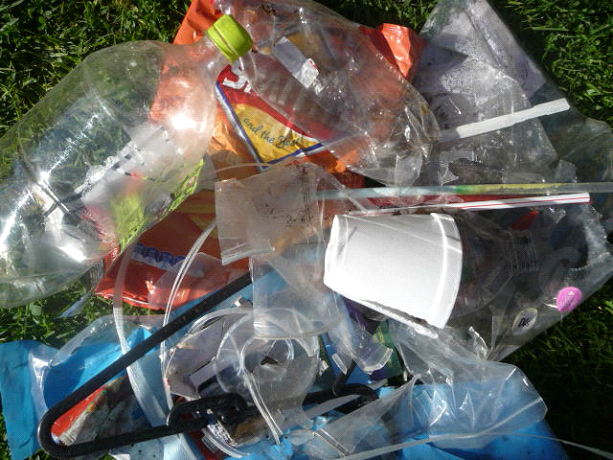 On the way home from the gym last week, a distance of about 1 km (1/2 mile), I counted the items of plastic litter on the curb as I walked. In that short distance I counted 63 pieces of plastic litter. Plastic drink bottles, bottle tops, candy wrappers, plastic film, polystyrene fragments etc. That seemed to be a lot to me. I guess it is a generational thing. Our parents would have been horrified to see that amount, whereas it seems to go unnoticed by our youth of today. In another 20 years how many pieces will there be on this stretch, -- 200? What will today’s youth think of that new amount then when they are older? Will their children be so readily accepting of a higher amount of litter?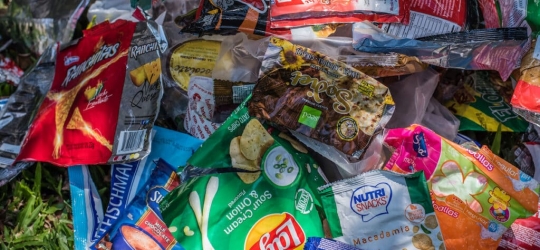
AFGC takes on soft plastics recycling – Australia
Posted on May 11, 2023 by DrRossH in Plastic Recycling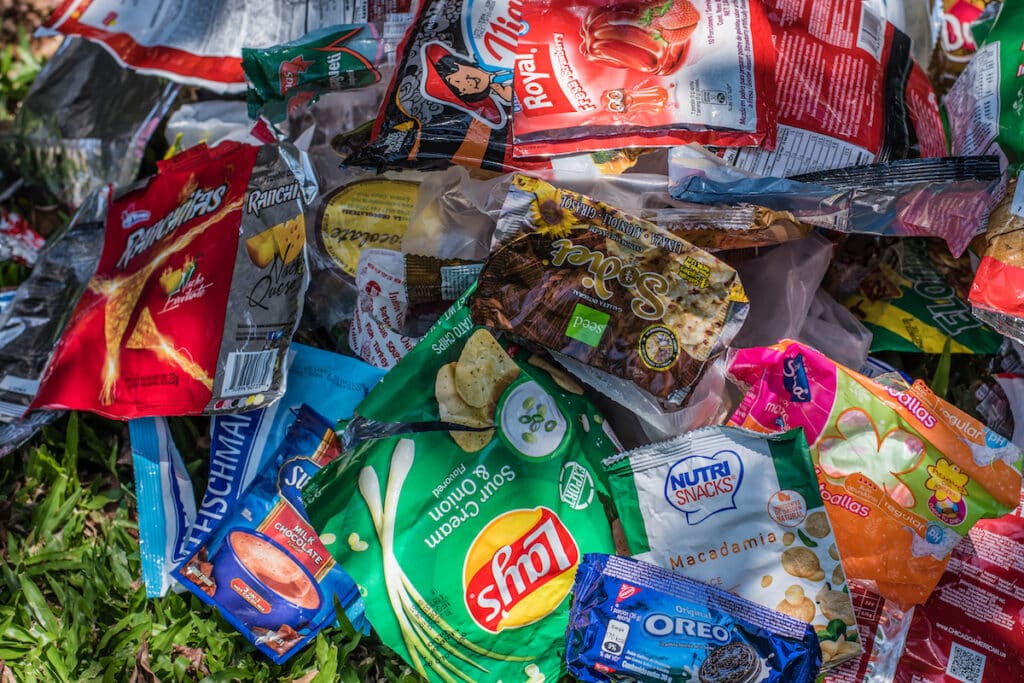
The National Plastics Recycling Scheme (NPRS), being developed by AFGC, the peak body representing food, beverage and grocery manufacturers, is a product stewardship scheme aimed at creating a circular loop for soft plastics, starting with kerbside collection and flowing all the way through to advanced recycling to make new food-grade plastic packaging.
“Soft plastics make up about 40 per cent of all plastic packaging, and while REDcycle was a popular scheme, it collected less than five per cent of consumer soft plastics with the remaining 95 per cent going into landfill,” Tanya says. “The NPRS aims to make soft plastics more convenient for the community by using kerbside collections, which will boost the volumes collected and processed each year.
“We know there are currently market failures in soft plastics collection and processing, in part because of the low value and limited end markets for the material. Stepping in to fund economic gaps in the supply chain is only one aspect of the scheme. We are also using new technologies to get the plastic back into food-grade safe material, which is the big game changer and opens up new end markets.
“We’re very conscious that for the scheme to be effective it needs to include the creation of end markets, not just collection. The final design will also include mechanisms to drive the uptake of recycled content. REDcycle material was going into uses like bollards and benches. We’re creating a circular loop and bringing that material back into consumer packaging and we’re making sure we have targets and reporting that will be transparent and available publicly.”
Good to see they talk about using of the collected material not just the collection of it.


Discussion · No Comments
There are no responses to "AFGC takes on soft plastics recycling – Australia". Comments are closed for this post.Oops! Sorry, comments are closed at this time. Please try again later.