


 How many people today grab a takeaway coffee cup from the local cafe to drink on the go? We don’t know, but the number must be enormous.. Most every one of the above have a plastic top that will last 100s of years. Some cafes still use plastic cups that last a similar time. Is 10 minutes of coffee worth 100s of years of trash?
These items can be seen littering our gutters and on our streets all over the place. If they were all cardboard, they would still be littered, but they would, at least, be gone in a short time.
They do not need to be made of plastic.
How many people today grab a takeaway coffee cup from the local cafe to drink on the go? We don’t know, but the number must be enormous.. Most every one of the above have a plastic top that will last 100s of years. Some cafes still use plastic cups that last a similar time. Is 10 minutes of coffee worth 100s of years of trash?
These items can be seen littering our gutters and on our streets all over the place. If they were all cardboard, they would still be littered, but they would, at least, be gone in a short time.
They do not need to be made of plastic.
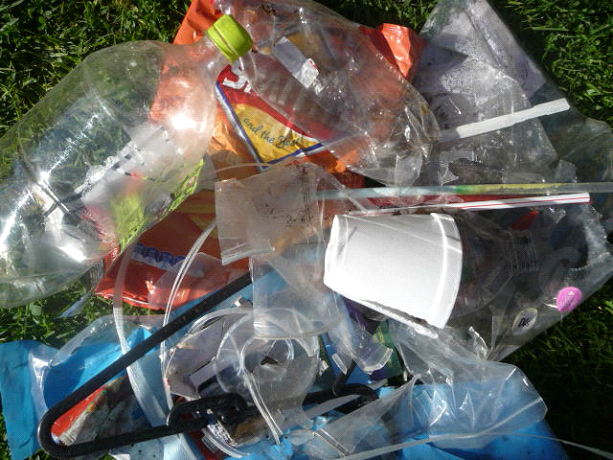 On the way home from the gym last week, a distance of about 1 km (1/2 mile), I counted the items of plastic litter on the curb as I walked. In that short distance I counted 63 pieces of plastic litter. Plastic drink bottles, bottle tops, candy wrappers, plastic film, polystyrene fragments etc. That seemed to be a lot to me. I guess it is a generational thing. Our parents would have been horrified to see that amount, whereas it seems to go unnoticed by our youth of today. In another 20 years how many pieces will there be on this stretch, -- 200? What will today’s youth think of that new amount then when they are older? Will their children be so readily accepting of a higher amount of litter?
Contamination big issue with FOGO rollout – Australia
Posted on April 22, 2023 by DrRossH in BioPlastics, Landfills and Disposal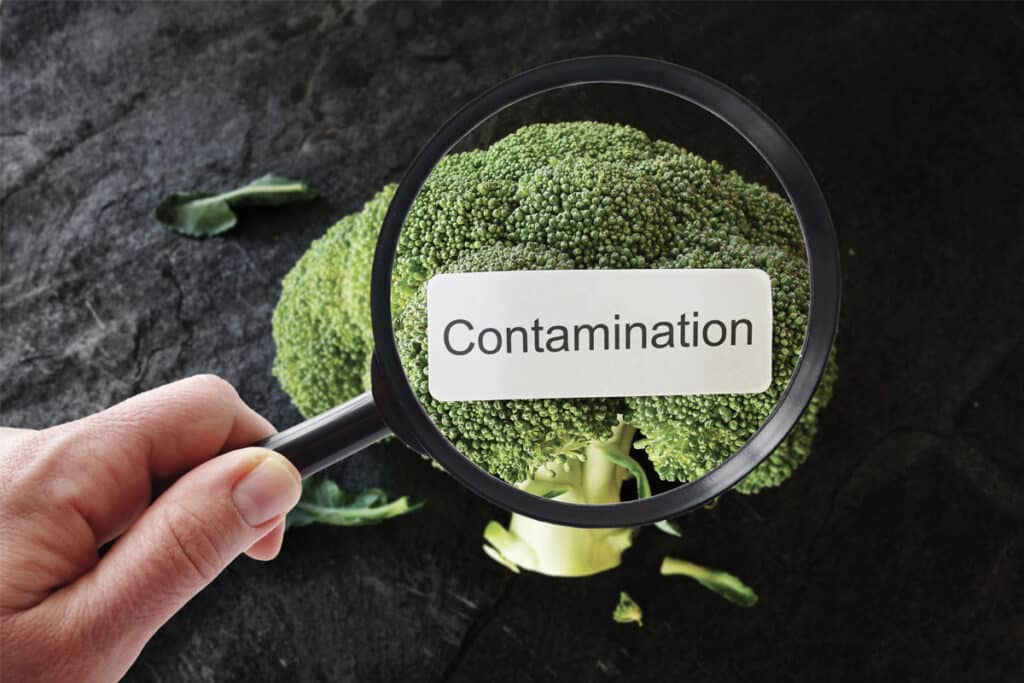
As the national executive officer for the Australian Organics Recycling Association (AORA), I am on record as stating that one of the biggest issues facing the Australian organics recycling industry is contamination, contamination, and contamination.
The supply of quality feedstock to the processor gate is a key – in many ways, the key – component of the organics recycling supply chain. Clean, source-separated feedstock without plastics, chemicals and other contaminants is central to the growth of organics recycling rates”.
The Roadmap continues, “The single greatest issue facing the industry is the contamination of feedstocks, overwhelmed by plastics. Other contamination includes glass, metals, treated timbers, and persistent chemicals, which do not readily break down in the composting process (or in nature)”.
The introduction of FOGO, while considered an important contributor to increasing the diversion of organics away from landfill, is unfortunately presenting itself as a major contaminant source.
There are most likely many reasons for this, including:
- A generation of community members who have become accustomed to co-mingling their waste streams especially when one bin (or maybe two) was all that was available.
- Consequently, FOGO is a new service for many households who need time to adjust and learn/be educated what can and what cannot be included in FOGO.
- A lack of understanding/awareness of the ‘why’ this is important and the consequences, for getting it both right and wrong!


Discussion · No Comments
There are no responses to "Contamination big issue with FOGO rollout – Australia". Comments are closed for this post.Oops! Sorry, comments are closed at this time. Please try again later.