


 How many people today grab a takeaway coffee cup from the local cafe to drink on the go? We don’t know, but the number must be enormous.. Most every one of the above have a plastic top that will last 100s of years. Some cafes still use plastic cups that last a similar time. Is 10 minutes of coffee worth 100s of years of trash?
These items can be seen littering our gutters and on our streets all over the place. If they were all cardboard, they would still be littered, but they would, at least, be gone in a short time.
They do not need to be made of plastic.
How many people today grab a takeaway coffee cup from the local cafe to drink on the go? We don’t know, but the number must be enormous.. Most every one of the above have a plastic top that will last 100s of years. Some cafes still use plastic cups that last a similar time. Is 10 minutes of coffee worth 100s of years of trash?
These items can be seen littering our gutters and on our streets all over the place. If they were all cardboard, they would still be littered, but they would, at least, be gone in a short time.
They do not need to be made of plastic.
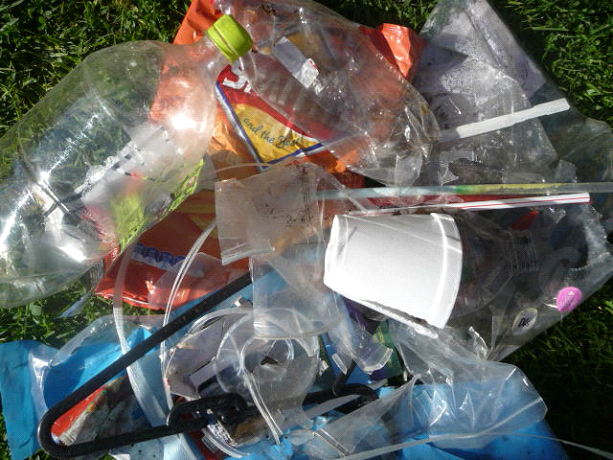 On the way home from the gym last week, a distance of about 1 km (1/2 mile), I counted the items of plastic litter on the curb as I walked. In that short distance I counted 63 pieces of plastic litter. Plastic drink bottles, bottle tops, candy wrappers, plastic film, polystyrene fragments etc. That seemed to be a lot to me. I guess it is a generational thing. Our parents would have been horrified to see that amount, whereas it seems to go unnoticed by our youth of today. In another 20 years how many pieces will there be on this stretch, -- 200? What will today’s youth think of that new amount then when they are older? Will their children be so readily accepting of a higher amount of litter?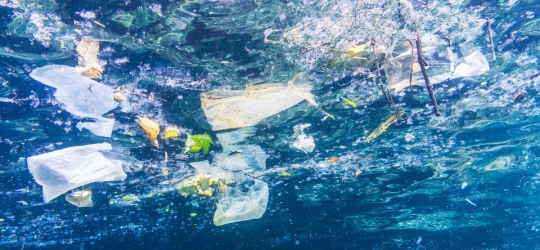
Microplastics flow into Gulf waters – Australia
Posted on January 10, 2023 by DrRossH in Plastic Waste News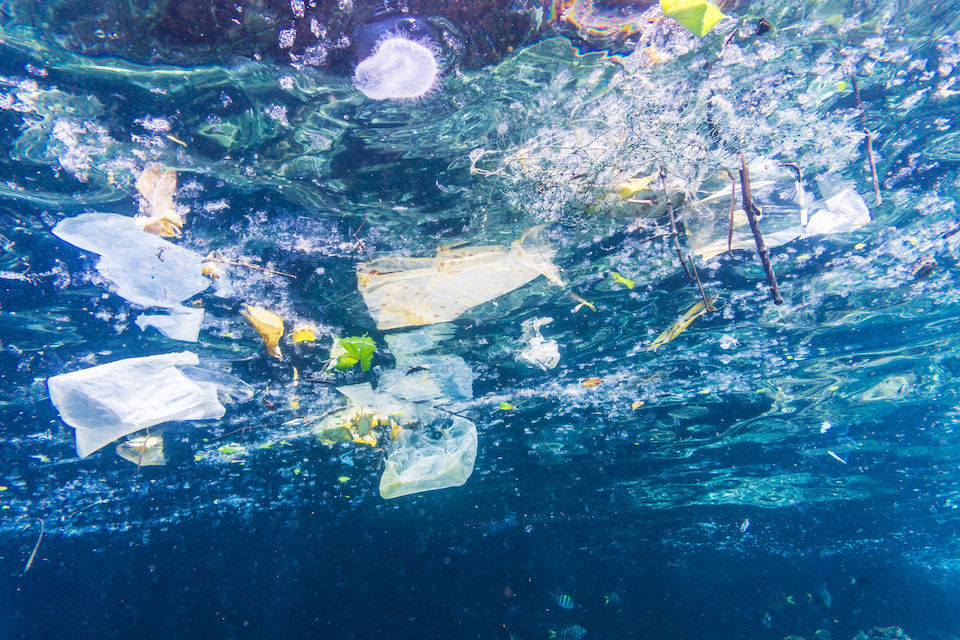
Plastic pollution has been recorded in eight freshwater streams running into Gulf St Vincent, South Australia, confirming the regular flow of microplastics into local marine environments – and the need for better waste management systems.
“With up to 80 per cent of all marine plastic pollution coming from land-based sources, our study raises concerns about the ongoing effects of increased microplastics in coastal waters,” says Professor Sophie Leterme, from the Institute of NanoScale Science and Technology at Flinders University.
“Decades of poor waste management has underpinned mass plastic pollution around the world, and this study confirms the presence of microplastics in all the studied freshwater streams in Adelaide.”
As well as freshwater streams, researchers point out that stormwater runoff, wastewater treatment plant discharge and atmospheric transport are other pathways in which microplastics move from land to coastal marine environments – where human food sources are much sought after by commercial and recreational fishers.
Plastic accounts for 85 per cent of all marine litter. The UN Environment Programme (UNEP) predicts that the amount of plastic in the ocean will nearly triple by 2040, adding 23 million to 37 million tonnes more waste every year.
“The vast majority of mismanaged plastic waste that originates on land eventually ends up in rivers and is churned out into oceans,” says Steve Fletcher, who studies ocean policy and economy at the University of Portsmouth, UK, and works with UNEP on plastic issues.
The cost of plastic pollution to society – including environmental clean-up and ecosystem degradation – exceeds US$100 billion a year, according to the philanthropic Minderoo Foundation in Australia.


Discussion · No Comments
There are no responses to "Microplastics flow into Gulf waters – Australia". Comments are closed for this post.Oops! Sorry, comments are closed at this time. Please try again later.