


 How many people today grab a takeaway coffee cup from the local cafe to drink on the go? We don’t know, but the number must be enormous.. Most every one of the above have a plastic top that will last 100s of years. Some cafes still use plastic cups that last a similar time. Is 10 minutes of coffee worth 100s of years of trash?
These items can be seen littering our gutters and on our streets all over the place. If they were all cardboard, they would still be littered, but they would, at least, be gone in a short time.
They do not need to be made of plastic.
How many people today grab a takeaway coffee cup from the local cafe to drink on the go? We don’t know, but the number must be enormous.. Most every one of the above have a plastic top that will last 100s of years. Some cafes still use plastic cups that last a similar time. Is 10 minutes of coffee worth 100s of years of trash?
These items can be seen littering our gutters and on our streets all over the place. If they were all cardboard, they would still be littered, but they would, at least, be gone in a short time.
They do not need to be made of plastic.
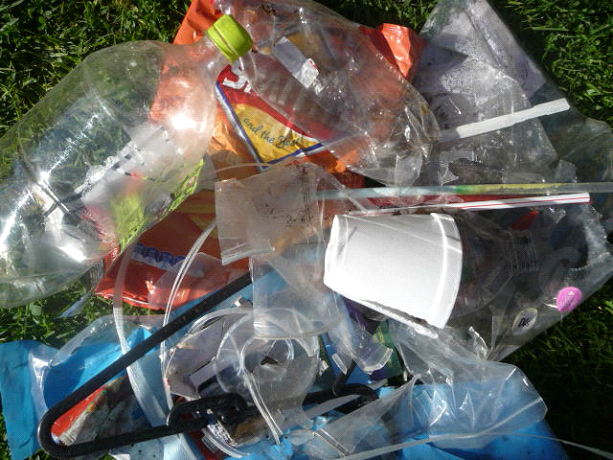 On the way home from the gym last week, a distance of about 1 km (1/2 mile), I counted the items of plastic litter on the curb as I walked. In that short distance I counted 63 pieces of plastic litter. Plastic drink bottles, bottle tops, candy wrappers, plastic film, polystyrene fragments etc. That seemed to be a lot to me. I guess it is a generational thing. Our parents would have been horrified to see that amount, whereas it seems to go unnoticed by our youth of today. In another 20 years how many pieces will there be on this stretch, -- 200? What will today’s youth think of that new amount then when they are older? Will their children be so readily accepting of a higher amount of litter?
 Richard Kirkman: Why the waste sector needs a reset – Australia
Posted on June 20, 2023 by DrRossH in Plastic RecyclingBy Richard Kirkman Three years ago, I landed on these shores fresh from working for the utilities sector in Northern Europe.
Source: Richard Kirkman: Why the waste sector needs a reset – Inside Waste
Despite these voices of reason it’s hard to believe we are talking about collecting soft plastics through kerbside recycling when the material is mostly unrecyclable. I would go further to say that soft plastics are such an important and vital ingredient to putting low-carbon fresh food on the table, at reasonable cost. So, we must find a middle ground.
I fully advocate for packaging to be created with circularity in mind. But where it can’t be avoided and serves a fundamental purpose for society, we should be less obsessed about recyclability and consider its use as an energy source replacing dirty coal and natural gas – something embraced by Europe’s energy sector. We should still recycle as much of the recyclable grades we can – that makes good sense – but for complex multi-layer materials that protect meat or fresh products, let’s not throw the baby out with the bath water and move to less sustainable high carbon materials. Coupled with the challenging compostable packaging movement, soft plastics in the recycling bin threaten to become a perfect storm to destroy the chance of 80 per cent recovery by 2030.


Discussion · No Comments
There are no responses to "Richard Kirkman: Why the waste sector needs a reset – Australia". Comments are closed for this post.Oops! Sorry, comments are closed at this time. Please try again later.