


 How many people today grab a takeaway coffee cup from the local cafe to drink on the go? We don’t know, but the number must be enormous.. Most every one of the above have a plastic top that will last 100s of years. Some cafes still use plastic cups that last a similar time. Is 10 minutes of coffee worth 100s of years of trash?
These items can be seen littering our gutters and on our streets all over the place. If they were all cardboard, they would still be littered, but they would, at least, be gone in a short time.
They do not need to be made of plastic.
How many people today grab a takeaway coffee cup from the local cafe to drink on the go? We don’t know, but the number must be enormous.. Most every one of the above have a plastic top that will last 100s of years. Some cafes still use plastic cups that last a similar time. Is 10 minutes of coffee worth 100s of years of trash?
These items can be seen littering our gutters and on our streets all over the place. If they were all cardboard, they would still be littered, but they would, at least, be gone in a short time.
They do not need to be made of plastic.
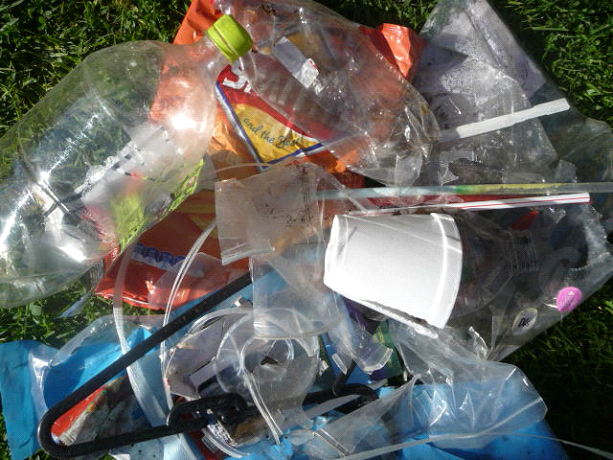 On the way home from the gym last week, a distance of about 1 km (1/2 mile), I counted the items of plastic litter on the curb as I walked. In that short distance I counted 63 pieces of plastic litter. Plastic drink bottles, bottle tops, candy wrappers, plastic film, polystyrene fragments etc. That seemed to be a lot to me. I guess it is a generational thing. Our parents would have been horrified to see that amount, whereas it seems to go unnoticed by our youth of today. In another 20 years how many pieces will there be on this stretch, -- 200? What will today’s youth think of that new amount then when they are older? Will their children be so readily accepting of a higher amount of litter?
Solution for recycling coloured plastics – UK
Posted on September 17, 2023 by DrRossH in Plastic RecyclingA new method for recycling coloured plastics has been developed by scientists at Cardiff University in the United Kingdom.
Source: Solution for recycling coloured plastics – Inside Waste
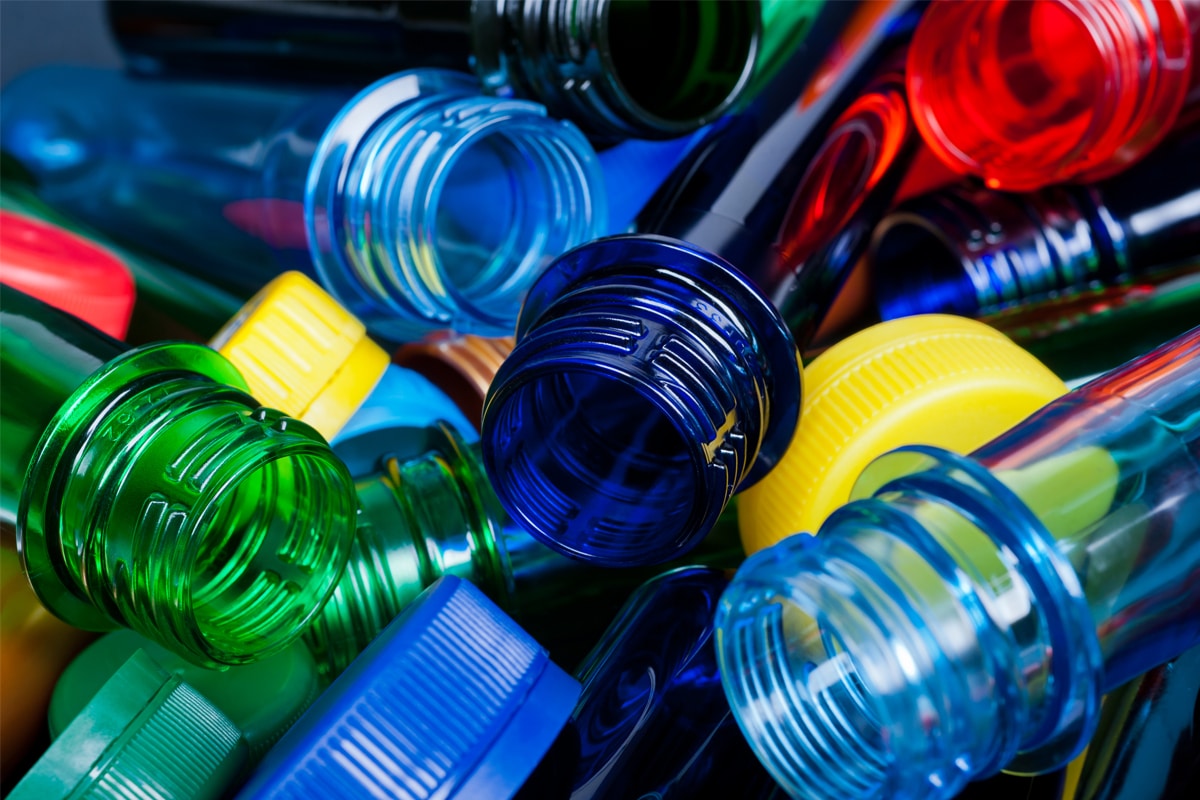
“Our current recycling economy only allows plastics and polymers to be recycled a finite number of times, after which they go to landfill or are incinerated. This is a huge environmental challenge,” said Ward.
“It is also a problem for industry who want to reuse and recycle coloured polymers but are limited by additives which affect the quality and colour of recycled products.
“We’ve addressed this in our study by taking coloured polymers, unmaking them, isolating the monomers, and re-making them into pure, white polymers. This is the first time that has ever been achieved and it goes right to the heart of tackling the problem of plastic recycling.”
Using a reactor based in the labs at Cardiff University’s School of Chemistry, the team chose specific molecules known as monomers to make plastics that are strong and stable, whilst adding in recyclability as part of the molecular design process.


Discussion · No Comments
There are no responses to "Solution for recycling coloured plastics – UK". Comments are closed for this post.Oops! Sorry, comments are closed at this time. Please try again later.