


 How many people today grab a takeaway coffee cup from the local cafe to drink on the go? We don’t know, but the number must be enormous.. Most every one of the above have a plastic top that will last 100s of years. Some cafes still use plastic cups that last a similar time. Is 10 minutes of coffee worth 100s of years of trash?
These items can be seen littering our gutters and on our streets all over the place. If they were all cardboard, they would still be littered, but they would, at least, be gone in a short time.
They do not need to be made of plastic.
How many people today grab a takeaway coffee cup from the local cafe to drink on the go? We don’t know, but the number must be enormous.. Most every one of the above have a plastic top that will last 100s of years. Some cafes still use plastic cups that last a similar time. Is 10 minutes of coffee worth 100s of years of trash?
These items can be seen littering our gutters and on our streets all over the place. If they were all cardboard, they would still be littered, but they would, at least, be gone in a short time.
They do not need to be made of plastic.
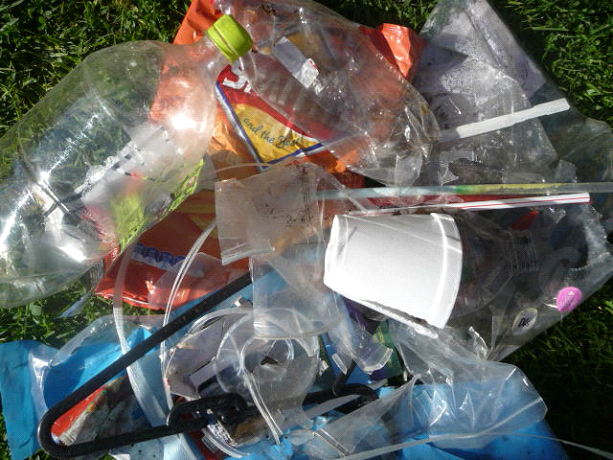 On the way home from the gym last week, a distance of about 1 km (1/2 mile), I counted the items of plastic litter on the curb as I walked. In that short distance I counted 63 pieces of plastic litter. Plastic drink bottles, bottle tops, candy wrappers, plastic film, polystyrene fragments etc. That seemed to be a lot to me. I guess it is a generational thing. Our parents would have been horrified to see that amount, whereas it seems to go unnoticed by our youth of today. In another 20 years how many pieces will there be on this stretch, -- 200? What will today’s youth think of that new amount then when they are older? Will their children be so readily accepting of a higher amount of litter?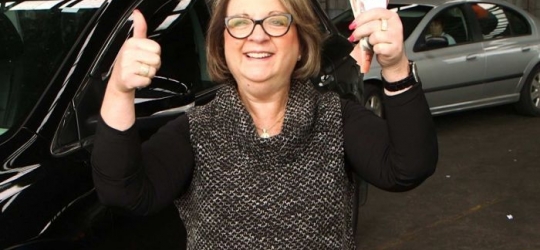
The faces of South Australia’s cash for cans
Posted on October 31, 2016 by DrRossH in General
In Adelaide, Joan collects bottles and cans, earning $50 a week to supplement her pension, so she has a little extra for coffee, cigarettes and giving to charity.
Source: The faces of South Australia’s cash for cans
Diane: “So I bring about ten bags and it’s always over $200 … and then we buy drinks and pizzas and stuff and they’re all quite happy that we don’t throw that much money away.
“If you don’t recycle, you’re throwing money away.”
Kevin: He believes other states are “crazy” to not have a scheme like South Australia’s.
“Adelaide looks so nice, we haven’t got a lot of rubbish laying around … I’m a Queensland boy and driving down here from New South Wales and that, you see it everywhere on the roads, it just looks so unsightly,” he says.
“Everyone’s out there … all sorts pensioners — young people, charities, schools — making money from keeping our beautiful state clean.”
If a State government can read this and still not enact a container deposit scheme they are heartless and ignoring the people. Why would the profits of a few polluting companies be more important to a govt than supporting people like these and cleaning up the state?


Discussion · No Comments
There are no responses to "The faces of South Australia’s cash for cans". Comments are closed for this post.Oops! Sorry, comments are closed at this time. Please try again later.