


 How many people today grab a takeaway coffee cup from the local cafe to drink on the go? We don’t know, but the number must be enormous.. Most every one of the above have a plastic top that will last 100s of years. Some cafes still use plastic cups that last a similar time. Is 10 minutes of coffee worth 100s of years of trash?
These items can be seen littering our gutters and on our streets all over the place. If they were all cardboard, they would still be littered, but they would, at least, be gone in a short time.
They do not need to be made of plastic.
How many people today grab a takeaway coffee cup from the local cafe to drink on the go? We don’t know, but the number must be enormous.. Most every one of the above have a plastic top that will last 100s of years. Some cafes still use plastic cups that last a similar time. Is 10 minutes of coffee worth 100s of years of trash?
These items can be seen littering our gutters and on our streets all over the place. If they were all cardboard, they would still be littered, but they would, at least, be gone in a short time.
They do not need to be made of plastic.
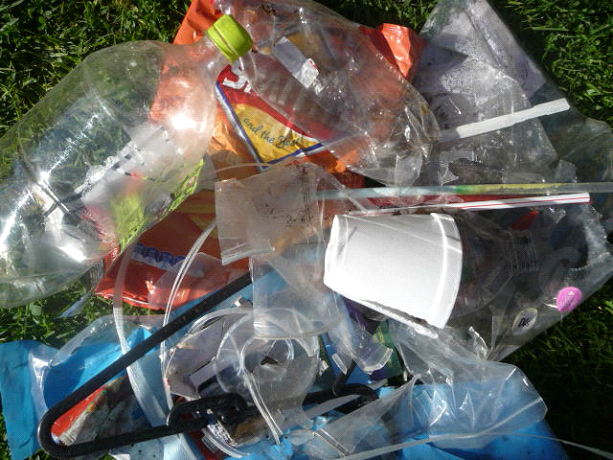 On the way home from the gym last week, a distance of about 1 km (1/2 mile), I counted the items of plastic litter on the curb as I walked. In that short distance I counted 63 pieces of plastic litter. Plastic drink bottles, bottle tops, candy wrappers, plastic film, polystyrene fragments etc. That seemed to be a lot to me. I guess it is a generational thing. Our parents would have been horrified to see that amount, whereas it seems to go unnoticed by our youth of today. In another 20 years how many pieces will there be on this stretch, -- 200? What will today’s youth think of that new amount then when they are older? Will their children be so readily accepting of a higher amount of litter?
The troublesome waste stream that is soft plastics
Posted on June 9, 2022 by DrRossH in Plastic Recycling
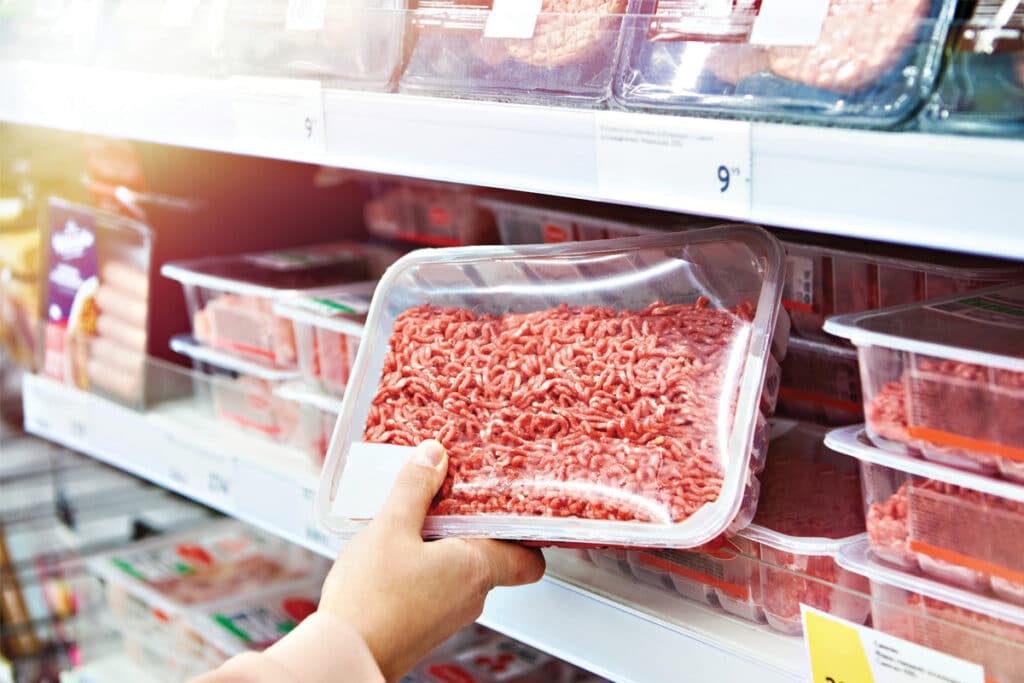
Soft plastics are the bane of the waste industry. Hard to collect, a noxious and hazardous substance to the environment, and an item that can take up a lot of time in Material Recovery Facilities when being recycled.
Like politics and religion, everybody has an opinion on what should be done about them. But industry sectors are unanimous on two things – something needs to be done about soft plastics and it needs to be done now; and they are an underused resource that can have a myriad of uses if recycled properly. This includes anything from converting it back to its original form oil, through to making it into such things as park benches and bollards, or even putting it into part of the mix when laying bitumen for new roads.
…
“Within 10 years we’ll have a recovery rate of 80 per cent of problematic, challenging plastics going back into either alternate fuels, new products like benches, bollards and roads, but most importantly will be going back into new things like packaging – food grade and non-food grade,” he said. “The value of what we are doing can be measured in monetary terms as well as socially and holistically.


Discussion · No Comments
There are no responses to "The troublesome waste stream that is soft plastics". Comments are closed for this post.Oops! Sorry, comments are closed at this time. Please try again later.